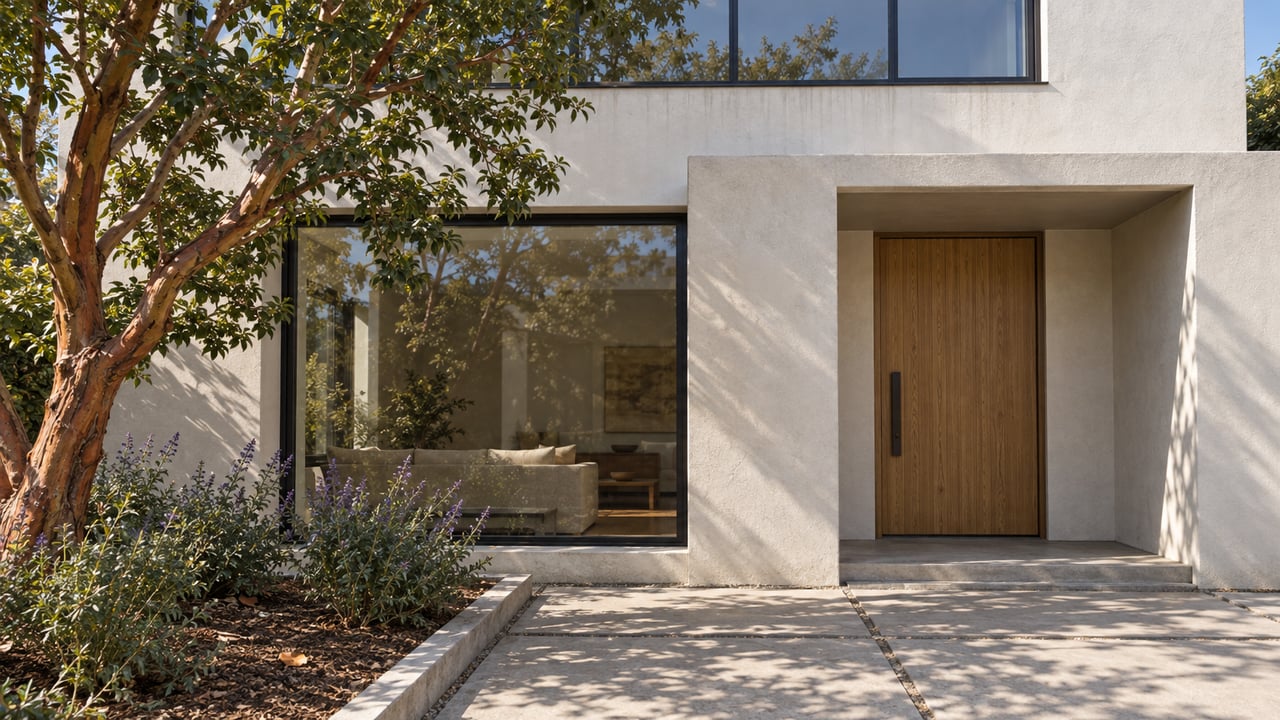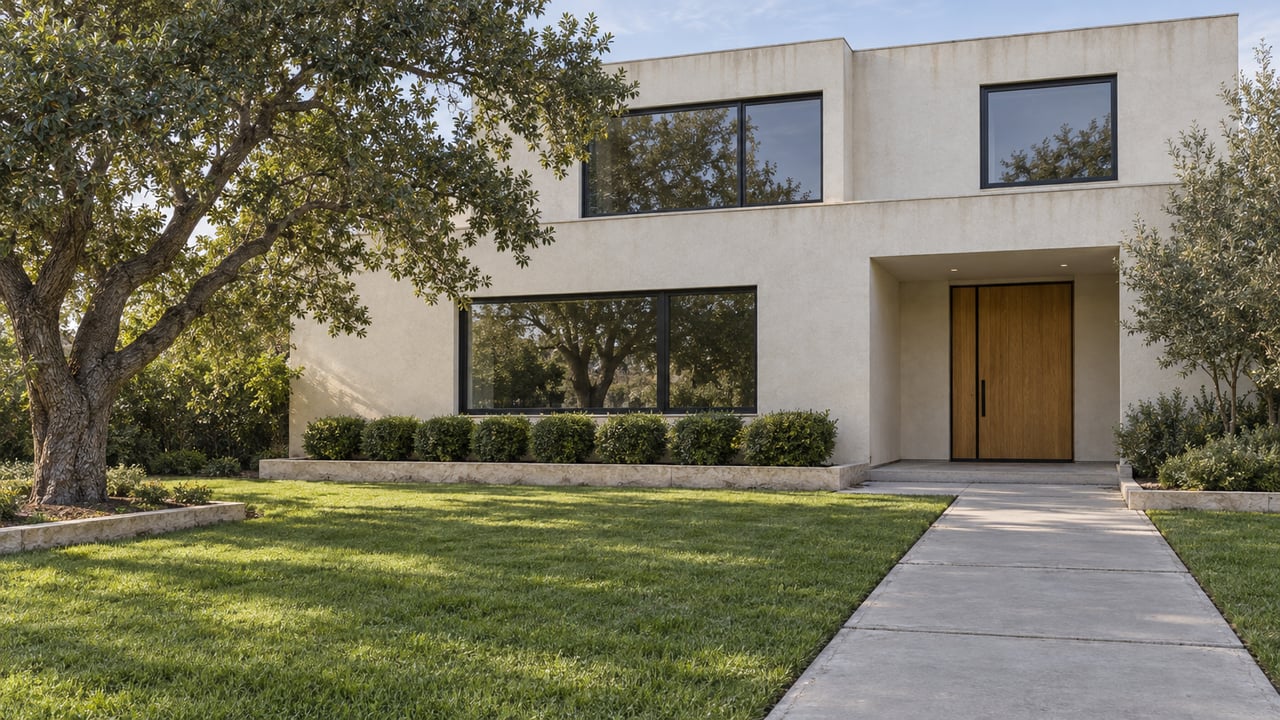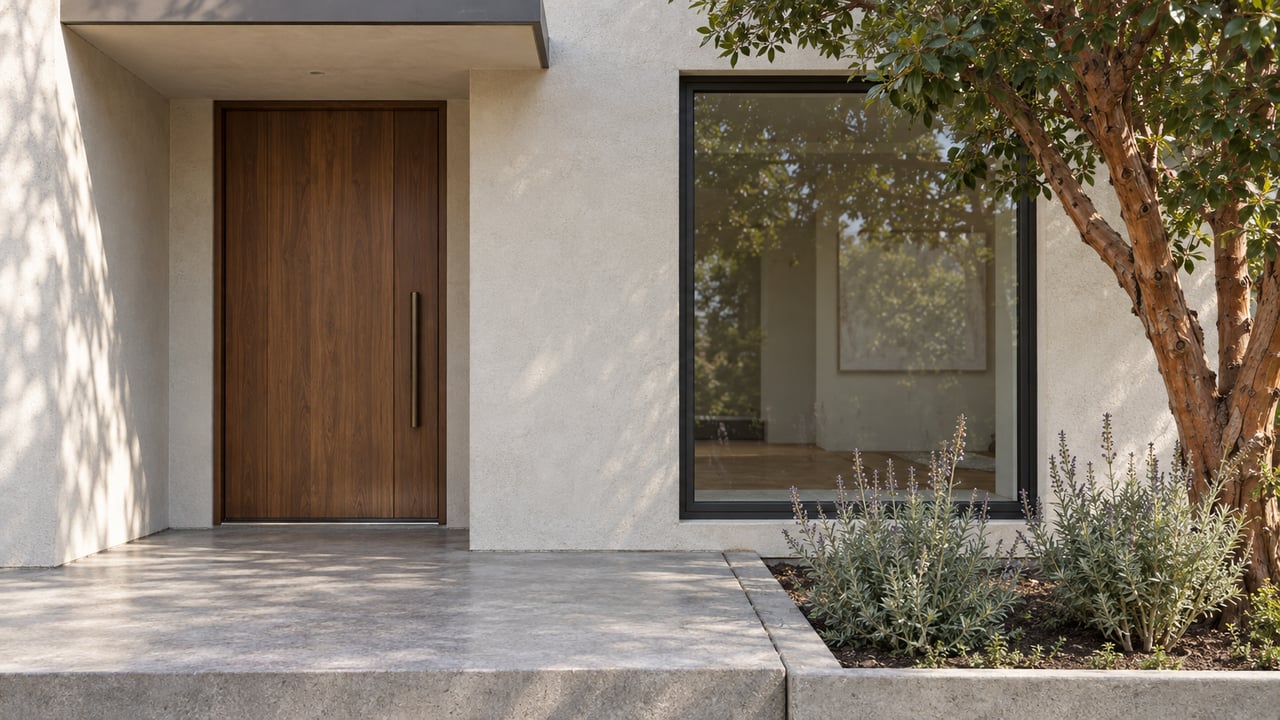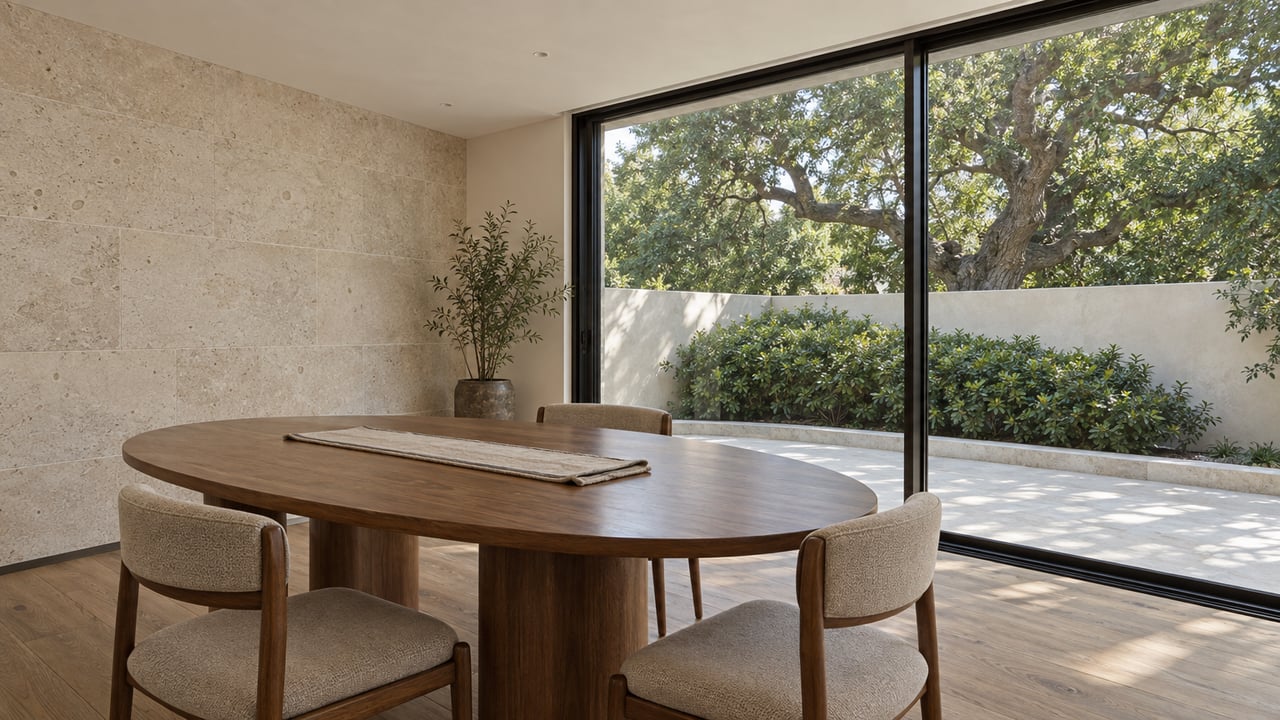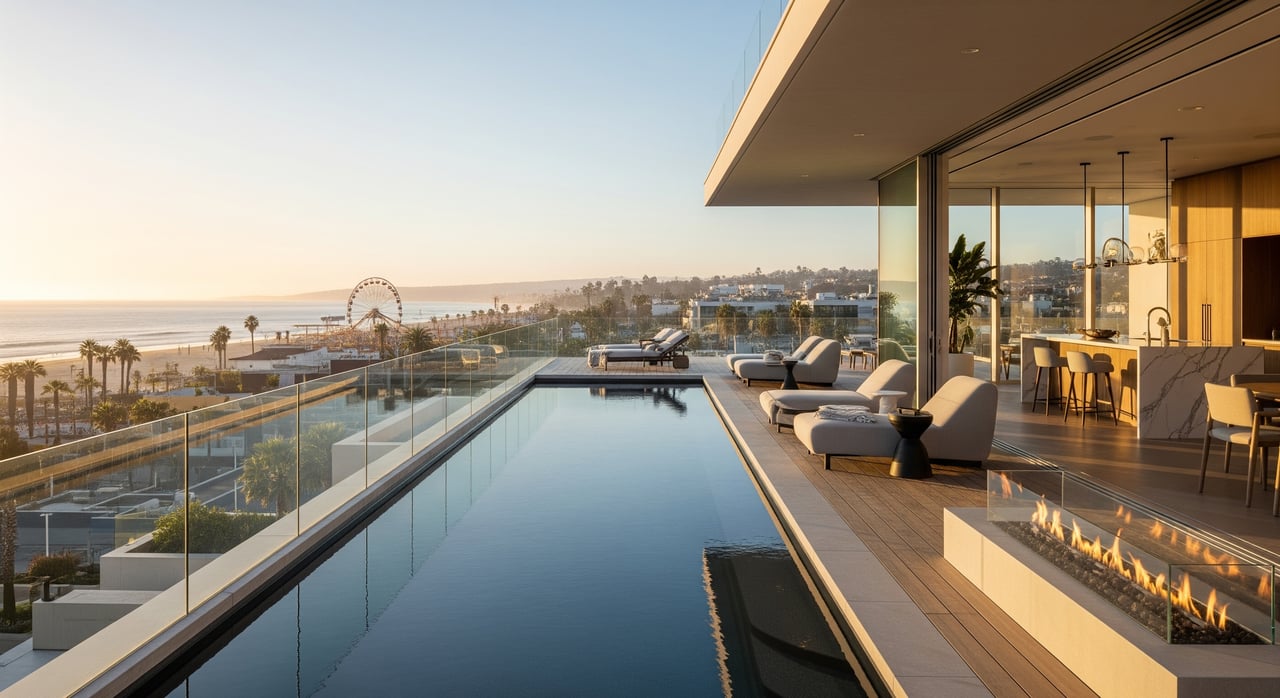
Is Santa Monica’s luxury market still moving when rates are higher and inventory feels thin? If you are eyeing an estate north of Montana or a view condo along Ocean Avenue, you are not alone. Buyers are drawn to the coast, lifestyle, and privacy, while sellers see steady interest for exceptional properties. In this guide, you will learn what drives demand, how the North of Montana and Ocean Avenue submarkets differ, and how to time your move with confidence. Let’s dive in.
Why demand stays resilient
Santa Monica sits at the high end of the Los Angeles luxury spectrum. It tends to track broader LA trends, yet it is buffered by coastal desirability, tight supply, and high local amenities. The mix of cash and jumbo-financed buyers also softens the impact of mortgage-rate swings at the ultra-prime level.
Coastal lifestyle and microclimate
Immediate beach access and ocean views are constant demand drivers. Cooler summer temperatures compared with inland neighborhoods add comfort and usability to outdoor spaces. Many buyers will trade interior square footage for stronger views or closer shoreline proximity. This premium shows up most clearly in ocean-facing properties and homes that preserve view corridors.
Walkability and amenities
Downtown Santa Monica and Ocean Avenue offer a rare blend of dining, boutique retail, fitness options, cultural venues, and beach paths within a compact radius. That walkable, amenity-rich lifestyle pushes valuation multiples for premium condos. For buyers who prioritize daily convenience, the neighborhood experience can be as important as the residence itself.
Employment hubs and buyer profile
Proximity to Silicon Beach tech firms, entertainment studios, and professional services keeps a steady flow of high-income professionals in the buyer pool. Many come prepared with cash or strong jumbo financing. Preferences often include privacy, security, and high-end finishes that are turnkey.
Schools and family considerations
For family buyers, access to schools within the Santa Monica-Malibu Unified School District is a key factor. This is especially true in North of Montana, where lot size and single-family layouts support everyday routines. Proximity to parks and neighborhood services adds to the appeal for households seeking long-term stability.
Regulatory limits on new supply
Coastal regulation and local zoning restrict large-scale new development near the shoreline. Combined with limited land and high costs, new luxury supply tends to be incremental, often via renovations or smaller infill. These constraints help support long-term price resilience across the city’s prime pockets.
International and secondary-home demand
Luxury coastal property attracts both domestic and international buyers. Currency shifts and travel patterns can influence this segment in the short term. Over time, the appeal of a secure, lifestyle-forward asset on the California coast remains a steady draw.
North of Montana: what buyers value
North of Montana offers tree-lined streets, larger lots, and a calm residential setting within city limits. Estate homes here trade less frequently, which means fewer options but strong interest when the right property appears.
Inventory and property types
Expect a mix of classic and renovated single-family estates, often with privacy landscaping and usable outdoor areas. Annual turnover is low. Quiet or off-market trades are common, so public listings rarely capture the full picture of what is available.
Search strategy for estates
- Define your priorities early: lot size, privacy, single-story living, or room to add an office or ADU.
- Prepare your financing: jumbo pre-approval or updated proof of funds helps you move quickly when a match appears.
- Work off-market channels: ask your agent about pocket listings, quiet offerings, and coming-soon opportunities.
- Weigh renovations: turnkey homes with refined finishes command premiums, but a well-located property with good bones can be a smart long-term play.
Pricing and timing for sellers
Benchmark against the most recent, truly comparable estate sales, not just list prices. Staging, landscaping, and photography that highlight privacy and outdoor living can justify stronger pricing. Spring often brings more activity, yet exceptional properties can sell well in any season. If privacy is paramount, an off-market process can work, though you should balance discretion with enough targeted outreach to avoid leaving money on the table.
Ocean Avenue condos: how to compare buildings
Ocean Avenue and oceanfront buildings concentrate the city’s most view-driven condo inventory. Buyers often prioritize the line within the building, security, amenities, and how the unit frames the coastline.
What drives value
Unobstructed ocean views, orientation, and floor height often set the pace for pricing. Building amenities and services matter too, including secure entry, on-site staff, fitness rooms, and parking. Walkability to dining and recreation amplifies livability for both primary and secondary-home residents.
Financing and HOA diligence
Condo deals at the luxury level see a mix of cash and jumbo financing. Lender requirements can be stricter for condos, especially if a building’s reserve funding, owner-occupancy ratio, or certifications are not aligned with underwriting guidelines. As a buyer, review:
- HOA financials and reserve studies
- Insurance coverage and any special assessments
- Seismic retrofits, system updates, and building maintenance
- Litigation history and rental policies
Seller prep checklist
For condo sellers, assemble HOA documents before launch to prevent delays. Address maintenance items in common areas with the association where possible. Professional staging and precise photography that capture the view, light, and flow can be the difference between a longer marketing period and a swift result.
How broader trends affect Santa Monica
Luxury transaction volumes cooled in many U.S. markets when rates rose in 2022 and 2023. In Santa Monica, the effect was mixed because a meaningful share of high-end buyers use cash or well-qualified jumbo loans. Lifestyle priorities that emerged with remote and hybrid work continue to support demand for homes with private outdoor space and dedicated work areas.
Seasonality still exists. Spring commonly brings more listings, but serious buyers monitor year-round because standout properties appear at any time. Given tight supply, patience and preparation matter as much as timing.
Your buyer playbook
- Clarify your non-negotiables: beach access, views, lot size, or proximity to schools and services.
- Get financially ready: secure jumbo pre-approval or organize proof of funds to win on terms, not just price.
- Expand your reach: ask about quiet listings and upcoming releases that never hit the open market.
- Inspect with a coastal lens: consider erosion, flood maps, and any seawall or drainage disclosures when relevant.
- For condos, go deeper: study HOA reserves, insurance coverage, and retrofit status to understand total cost of ownership.
Seller strategy in a tight market
- Price with precision: align with the most relevant recent sales and current buyer behavior in your micro-market.
- Present a complete package: resolve permits or compliance items before listing and complete strategic repairs.
- Elevate the story: use lifestyle staging, drone perspectives for view corridors, and targeted marketing to reach both local and cross-border buyers.
- Consider privacy needs: off-market can be effective for discretion, but make sure outreach is robust enough to foster competition.
What to track next
Because luxury stock is thin and varied, quality beats quantity when it comes to data. Track:
- Median and mean sale prices for Santa Monica, plus breakouts for North of Montana estates and Ocean Avenue condos
- Months of supply and active listings by submarket
- Days on market and days to contract for luxury listings
- Share of cash purchases and jumbo-financed deals
- List-to-sale price ratios to gauge negotiation trends
- HOA health indicators in key buildings, including reserves and owner-occupancy
These metrics give you a timely read on pricing power, competitiveness, and the quality of inventory you are likely to see.
Work with a senior advisor
Santa Monica’s luxury market rewards preparation, discretion, and hyper-local insight. Off-market access, informed pricing, and clean execution can be the difference between a good outcome and a great one. If you want a calm, senior-led process with global reach and boutique attention, connect with Gary Glass Estates for tailored guidance and private access to inventory.
Ready to tour or discuss timing? Request a Private Showing with Gary Glass Estates.
FAQs
Is now a good time to buy luxury in Santa Monica?
- It depends on your finances and priorities. Tight supply and lifestyle demand support long-term value, while higher rates affect financing costs. A prepared, focused search is essential.
How do North of Montana estates compare to Ocean Avenue condos?
- North of Montana offers larger lots and single-family estates, while Ocean Avenue focuses on view-driven condos with amenities. Financing and HOA rules are more central for condos.
Do sellers often achieve their full list price in the luxury segment?
- It varies by property quality, location, and marketing strategy. Turnkey homes in prime spots command stronger pricing; properties that need work may take longer and require negotiation.
How important are ocean views versus being near the beach?
- Unobstructed ocean views usually command a premium, but high walkability and access to downtown amenities can be nearly as valuable for many buyers.
What extra due diligence should I do for oceanfront or near-coast homes?
- Review coastal-related disclosures, including any erosion, flood mapping, seawall or drainage details, and building maintenance items relevant to the location.
What should condo buyers check in the HOA before making an offer?
- Study reserve funds, insurance, owner-occupancy ratios, litigation history, seismic updates, and any special assessments to understand risk and total cost of ownership.