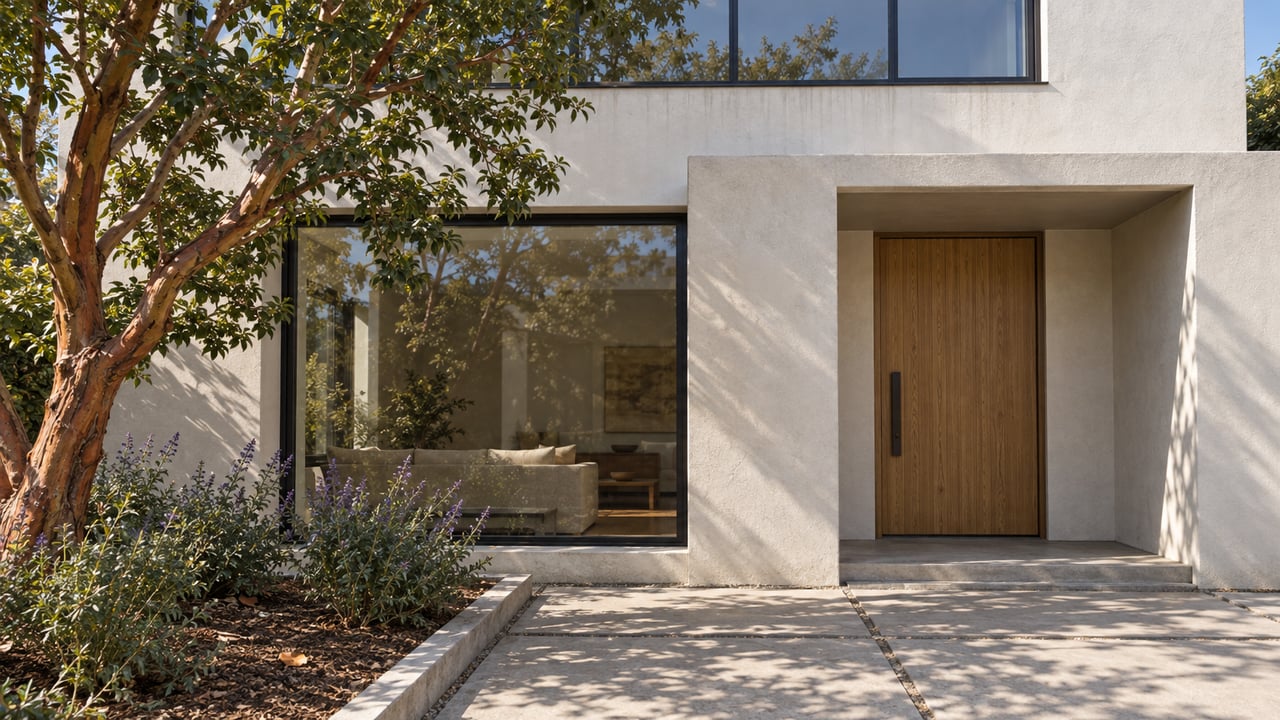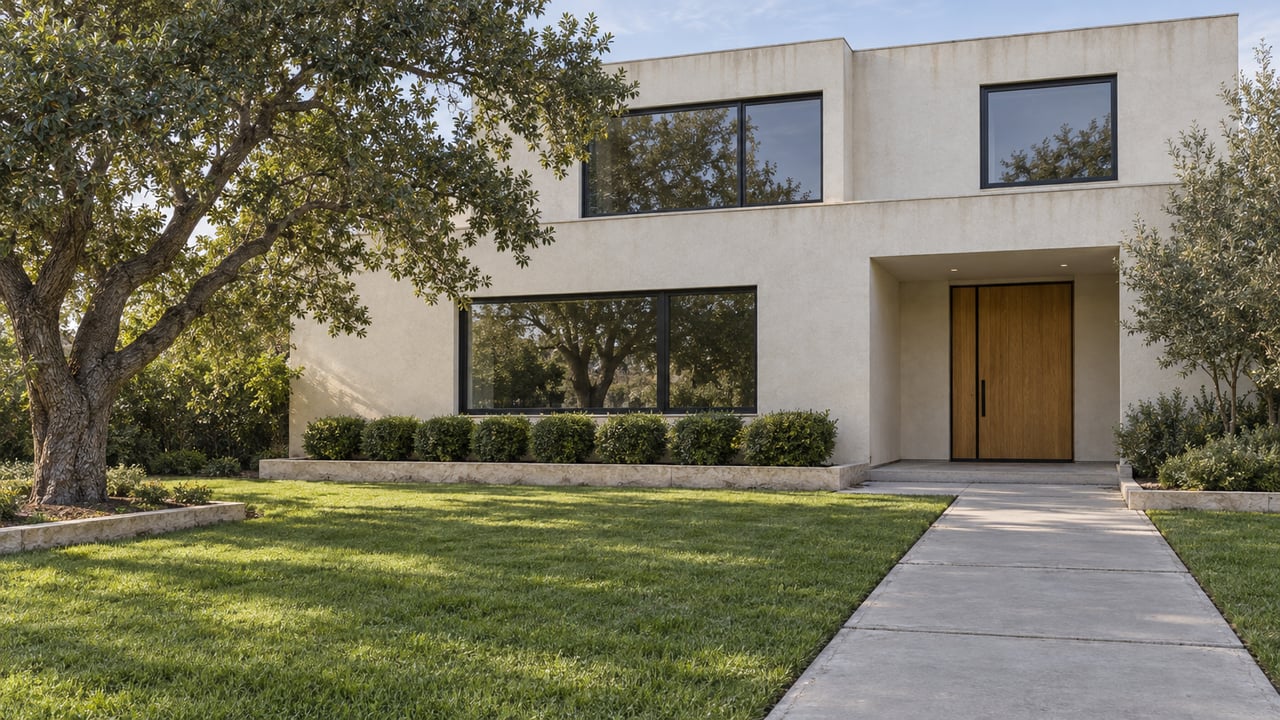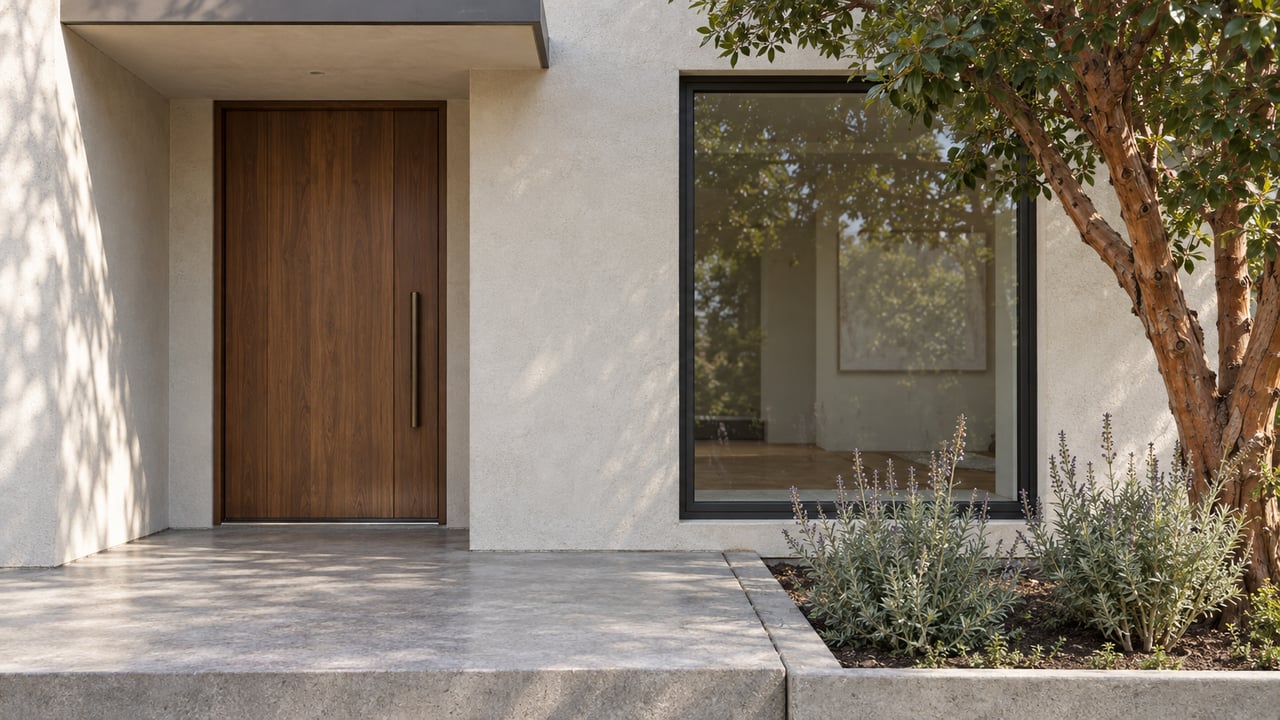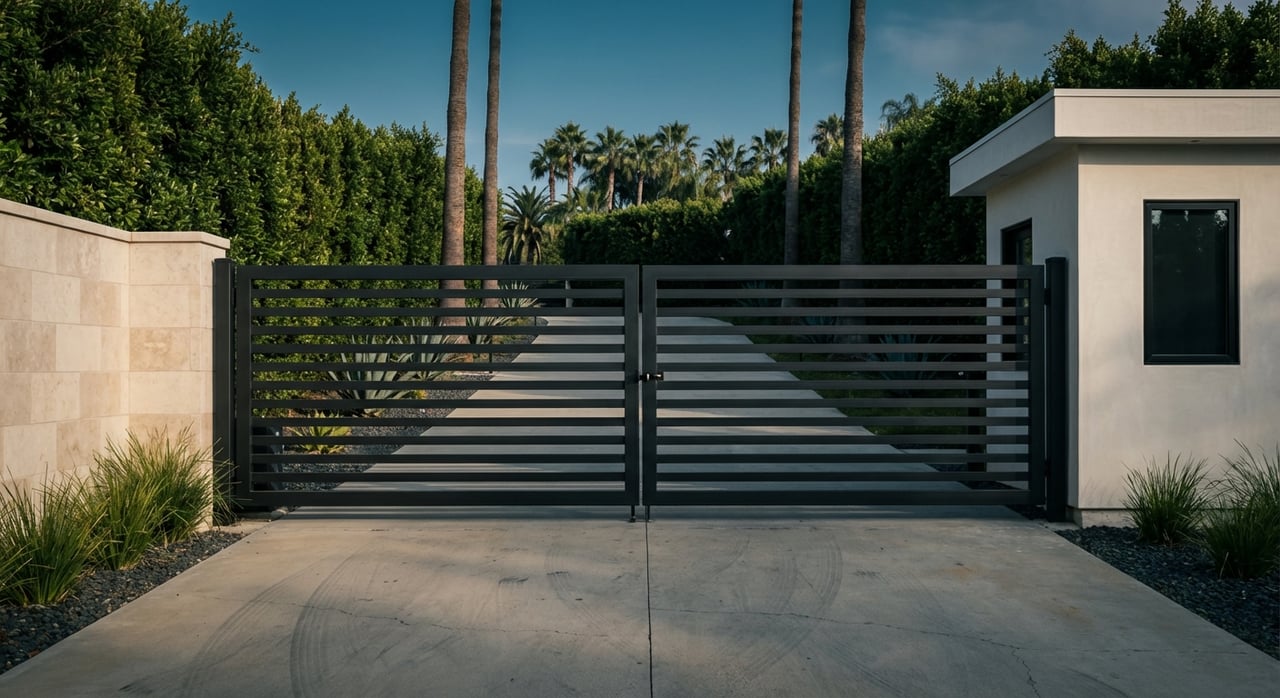
Privacy is a currency in Bel Air. If you are weighing a guard-gated address against a walled compound on a private street, you want clarity on how the gates actually work, where the most discreet pockets sit, and what it all means for value and daily life. In this guide, you will learn how Bel Air’s enclaves differ, what you can expect in architecture and price bands, and a practical checklist to streamline due diligence. Let’s dive in.
Bel Air at a glance
Bel Air sits along the southern slopes of the Santa Monica Mountains and is often described in three sections: East Gate, West Gate, and Upper Bel Air. The neighborhood grew from a 1920s master plan with formal east and west entrances on Sunset Boulevard and early design controls that helped preserve an estate-scale character. You can see this history reflected in today’s parcel sizes and architectural variety. SurveyLA’s planning overview documents the original gates and the long-standing estate context.
Bel Air also includes notable private institutions, which shape the landscape and desirability of nearby streets. Addresses that border or overlook the golf course carry particular cachet because of their setting and scale. Learn more about the club itself on the Bel-Air Country Club site.
Where the gates are
Guard-gated Bel Air Crest
Bel Air Crest is a purpose-built, guard-gated community in the hills. It features 24-hour controlled access, private internal streets, and homeowner association management for common-area maintenance and amenities. Homes range from large traditional to contemporary, with landscaped lots and community facilities like a clubhouse and courts. If you want a staffed entrance and predictable visitor screening, this pocket is an efficient way to achieve it.
Golf-adjacent estate streets
Along and above the Bel-Air Country Club, streets like Perugia Way, Nimes Road, Stradella Road, Wetherby Lane, and St. Cloud Road host some of the most recognized estates. Properties here often combine long motor courts, double gates, tall hedging, and generous lots. At the very top end, trophy sales have reached nine figures. A recent example is the 2025 closing of 630 Nimes Road at approximately 110 million dollars, which illustrates the ceiling for premier golf-facing compounds in Bel Air. You can read more context in Inman’s roundup of top 2025 sales.
Private pockets, ridgelines, and canyons
Bel Air also includes smaller, intensely private segments such as Stone Canyon, Moraga corridors, Senderos Canyon, Antelo View, Tortuoso, and Bel Air Place. These areas are defined by ridgelines, canyon topography, and sequences of cul-de-sacs. Many homes are individually gated and set behind walls or hedges. The City’s historic survey notes that a number of properties sit on private streets or within gated communities and were not visible from the public right of way, underscoring how access and visibility can vary street by street. See SurveyLA’s Bel Air overview for context.
How access and security work
Bel Air uses three primary access models. Understanding them will help you align lifestyle preferences with the right pocket.
- Guard-gated communities. Staffed entrances regulate visitor flow, confirm resident authorization, and may maintain cameras and patrols. Internal streets are private. Expect structured guest and contractor procedures that can slow deliveries if not pre-authorized.
- Private streets and compound gates. Some estates or small clusters share a gate on a private street, while many single properties run their own automated gates. Call boxes, keypads, and private security vendors are common. The City notes that private streets exist across the neighborhood, so verify status during diligence. The SurveyLA report highlights these variations.
- Public streets with gated driveways. Many Bel Air addresses front public rights of way but still feature a walled perimeter and a secure driveway gate. This model preserves municipal access while giving you strong on-site control.
Neighborhood-wide measures can supplement these setups. The Bel-Air Association operates security initiatives like entrance surveillance cameras and neighborhood alerts. If a property benefits from such programs, ask how footage is retained and who can request access. Details are outlined on the Bel-Air Association’s security page.
For emergency services and egress, street status matters. Private roads may carry different maintenance duties, and you should confirm gate-opening protocols with local fire and law enforcement. The City’s planning notes emphasize limited visibility along private streets and canyon conditions, so include emergency access planning in your evaluation. Reference the City’s Bel Air survey for background.
Architecture, lots, and price context
Bel Air’s architecture is eclectic. You will find classic Mediterranean and other period revival homes, mid-century structures, and large contemporary rebuilds. Many trophy lots have been rebuilt or heavily renovated over the last two decades. The East Gate area retains a notable share of historic estates, while the West Gate side includes more late-era rebuilds and contemporary designs.
Lot sizes range widely, from refined golf course-adjacent parcels to multi-acre compound assemblages. At the top end, compounds often include guest houses, motor courts, extensive indoor-outdoor amenities, and robust privacy measures.
Price bands vary by pocket, scale, and view. As a general frame:
- Entry to gated or walled properties on smaller parcels often starts in the lower to mid single-digit millions, subject to inventory and condition.
- Guarded communities and homes overlooking or near the golf course typically range from mid single-digit to multi-million figures, with larger or view-driven properties reaching well above that range.
- Trophy compounds reach into the tens of millions and occasionally cross into nine figures. The 630 Nimes Road sale at about 110 million dollars provides a recent example at the extreme top of market, as noted by Inman. These closings influence perception but are not median benchmarks.
What gates mean for long-term value
Research on gated communities in Los Angeles suggests that affluent, well-governed enclaves with clear private services and stable funding can support a price premium relative to nearby open neighborhoods. Smaller or less affluent gated pockets do not always show the same effect once operating costs are considered. The takeaway is straightforward. Gates can protect and enhance value when supported by location quality and governance strength. For a deeper dive, review the Le Goix study on gated communities.
At the very top end, recent headline transactions confirm that well-positioned Bel Air compounds remain in demand among global buyers even when broader metrics are mixed. See Inman’s 2025 report for multi-deal context. Balance that enthusiasm against ongoing costs. HOA assessments, private street maintenance shares, security contracts, and design committee compliance can materially impact ownership. Strong, predictable governance is a positive. Surprise assessments and unclear gate policies add friction.
Due diligence checklist for privacy-minded buyers
Use this list to streamline evaluation before you write an offer. Many items are property, street, or HOA specific.
- Street status. Confirm whether the road is public or private and identify any access easements. The City highlights that many homes sit on private streets. Start with the SurveyLA overview.
- Gate model and policy. Clarify staffed hours, visitor protocols, contractor procedures, and camera management. Ask who can request footage and how long it is retained.
- Association documents. Review CC&Rs, bylaws, minutes, budgets, and reserve studies. Confirm what security and maintenance items the HOA covers and how costs are allocated.
- Security vendors and history. Identify the guard or patrol provider, contract length, and dues structure. Review any neighborhood alerts and ask about recent incidents. The Bel-Air Association outlines community-level measures that may supplement private or HOA security.
- Emergency and wildfire planning. Confirm gate-opening protocols for fire or law enforcement, plus any defensible space requirements. Canyon topography and limited visibility make this a priority. See the City’s notes in the Bel Air survey.
- Club memberships. If a listing references proximity to or views of the Bel-Air Country Club, verify membership policies directly. Membership is separate and by club protocol. Visit the club site for general information.
- Sightlines and privacy mapping. Visit at different times of day to understand ridge and canyon viewpoints. Even gated compounds can be visible from higher public streets.
- Resale liquidity and comps. For unique estates and small gated pockets, off-market trades are common. Ask for private-sale comparables and use reported trophy closings for context, such as those in Inman’s 2025 report.
- Insurance and cost implications. Verify how walls, gates, and private road obligations affect replacement costs, liability, and assessments. Results vary by governance.
- Services and deliveries. Confirm rules for waste collection, parcel deliveries, and recurring vendor access in relation to gate operations.
Bel Air vs other LA gated enclaves
Within Los Angeles’ luxury landscape, Bel Air offers a hybrid profile. You will find guard-gated communities like Bel Air Crest, but you will also see many individually gated compounds on public or private streets. By comparison, areas like Beverly Park and Hidden Hills often present more uniform gate control with multiple staffed entrances or city-level access policies. In practical terms, Bel Air gives you a broader menu of lot forms, architecture, and access models, which lets you calibrate privacy and cost to your specific goals.
Next steps
Choosing between a guard-gated address and a private compound comes down to how you want privacy to function day to day, what you value architecturally, and how you weigh governance, costs, and resale. If you want senior, hands-on guidance and curated options across Bel Air’s most discreet pockets, connect with Gary Glass Estates. Request a Private Showing.
FAQs
What is the difference between guard-gated and private street gates in Bel Air?
- Guard-gated communities have staffed entrances that screen visitors and manage access on private internal roads, while private street gates or individual compound gates are controlled by owners or a small group of homes with their own procedures.
How do neighborhood security programs work in Bel Air?
- The Bel-Air Association supplements private and HOA efforts with measures like entrance cameras and alerts. Ask about footage retention and access policies. See the association’s security page.
Do homes near Bel-Air Country Club come with membership?
- No. Proximity or views do not guarantee membership. The club manages its own application and invitation policies. Visit the Bel-Air Country Club site for general information.
How does street status affect emergency access and maintenance?
- Public streets are maintained by the city, while private streets often require owner or HOA maintenance and have separate gate-opening protocols for emergency services. Review the City’s Bel Air survey and confirm details with the HOA.
What price ranges should I expect for Bel Air gated living?
- Smaller gated or walled properties often begin in the low to mid single-digit millions. Guarded communities and golf-adjacent estates typically move into higher multi-million territory, while top-tier compounds can sell for tens of millions and, at the extreme, nine figures. See Inman’s 2025 report for context at the top end.
What should I verify about cameras and visitor policies before buying?
- Confirm staffing hours, guest authorization procedures, contractor access, and camera policies, including who can view footage and how long it is retained. For community-level programs, review the Bel-Air Association overview.