Should you live steps from Palisades Park in a full-service condo or settle into a quiet, tree-lined street north of Montana in a coastal single-family home? Both deliver the Santa Monica lifestyle, but they fit different priorities, budgets, and risk profiles. If you are weighing convenience, privacy, and long-term value, a clear side-by-side view helps. In this guide, you will learn how costs, rules, hazards, and resale dynamics compare so you can choose with confidence. Let’s dive in.
Start with your priorities
Use this quick scorecard to frame tours and shortlists:
- Indoor space vs outdoor/private yard (score 1–10)
- Tolerance for fixed monthly fees (HOA) vs hands-on maintenance (score 1–10)
- Importance of walkability to beach/shops vs neighborhood privacy (score 1–10)
Your answers usually point to the right starting point. High walkability and low maintenance often favor luxury condos near Ocean Avenue or downtown. Preference for privacy, land, and long-term ownership control often favors single-family options in North of Montana or Wilshire–Montana.
Market context, briefly
Citywide home values sit in the mid to high seven figures, with wide spreads by neighborhood and property type. Ocean Avenue and Palisades Park corridor condos command premium pricing, especially in full-service buildings. North of Montana is among the city’s priciest single-family neighborhoods. Treat any quoted price as approximate and time-stamped, and rely on live comps when you are ready to write offers.
Luxury condos: what you get
Luxury Santa Monica condos emphasize ease and walkability. Expect staffed lobbies, concierge or doorman service, fitness centers, pools, rooftop spaces, and secured parking. Buildings along Ocean Avenue or near Third Street Promenade place you close to the beach, dining, and daily amenities. This lock-and-leave setup is ideal if you travel frequently or want minimal exterior upkeep.
Condo costs and HOA dues
Monthly HOA dues vary widely by building age, service level, and staffing. Full-service towers near the beach often have dues in the mid-thousands per month, while smaller or less amenitized buildings may fall in the several hundreds to low thousands. Dues commonly cover common-area maintenance, landscaping, exterior insurance on the building’s master policy, elevators, some utilities, security, and reserves. They do not usually cover your interior HO-6 policy, personal property, or earthquake coverage. Review what is included for each building before you compare true monthly costs.
Governance, disclosures, and buyer protections
California condo associations operate under the Davis–Stirling Common Interest Development Act, which sets rules for budgets, notices, reserves, meetings, and records. You will receive a resale disclosure packet that includes CC&Rs, bylaws, financials, reserve summaries, insurance declarations, and litigation updates. Review these carefully to spot assessment risk, reserve health, and governance quality. Learn more about statutory requirements under the Davis–Stirling Act.
Financing and “warrantability”
Condo financing depends on the building, not just the unit. Lenders evaluate the entire project for eligibility, reserves, litigation, investor concentration, commercial space, and delinquency. Ask your lender early to check whether the building is warrantable using tools such as Fannie Mae’s project eligibility review. If a project is non-warrantable, your options may shift to portfolio or jumbo loans, and the buyer pool at resale may shrink. Industry guidance on these impacts is summarized here.
Coastal single-family: what you get
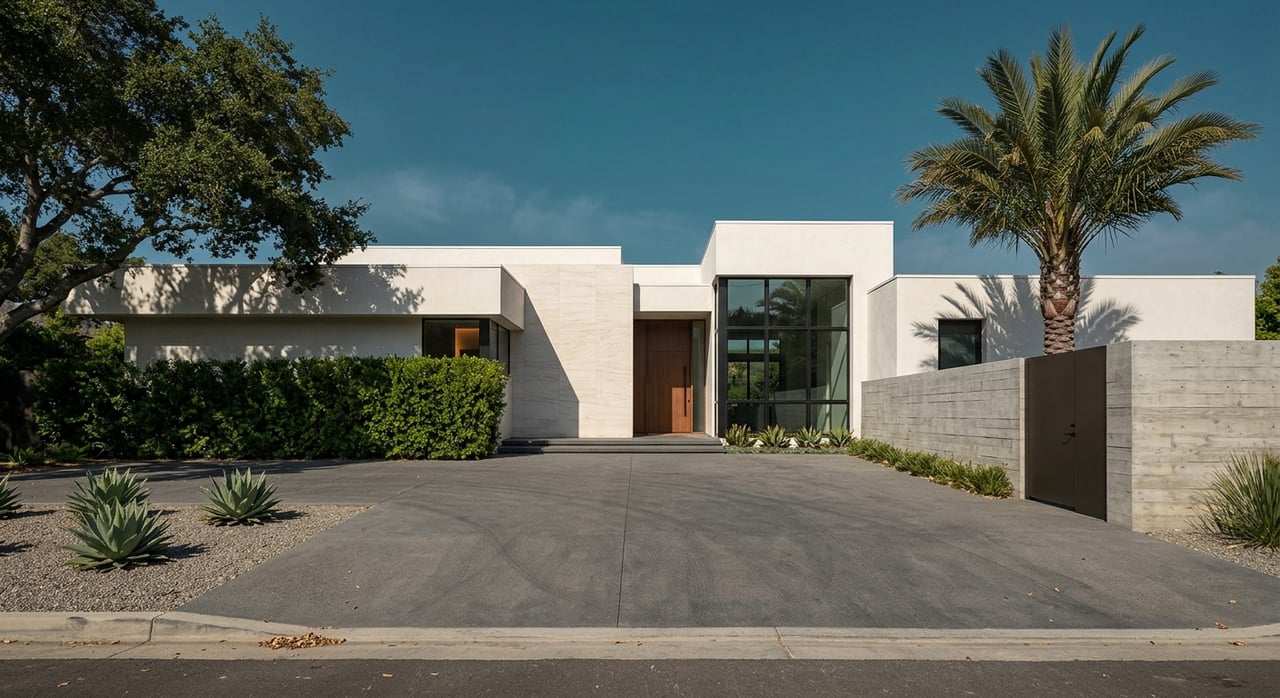
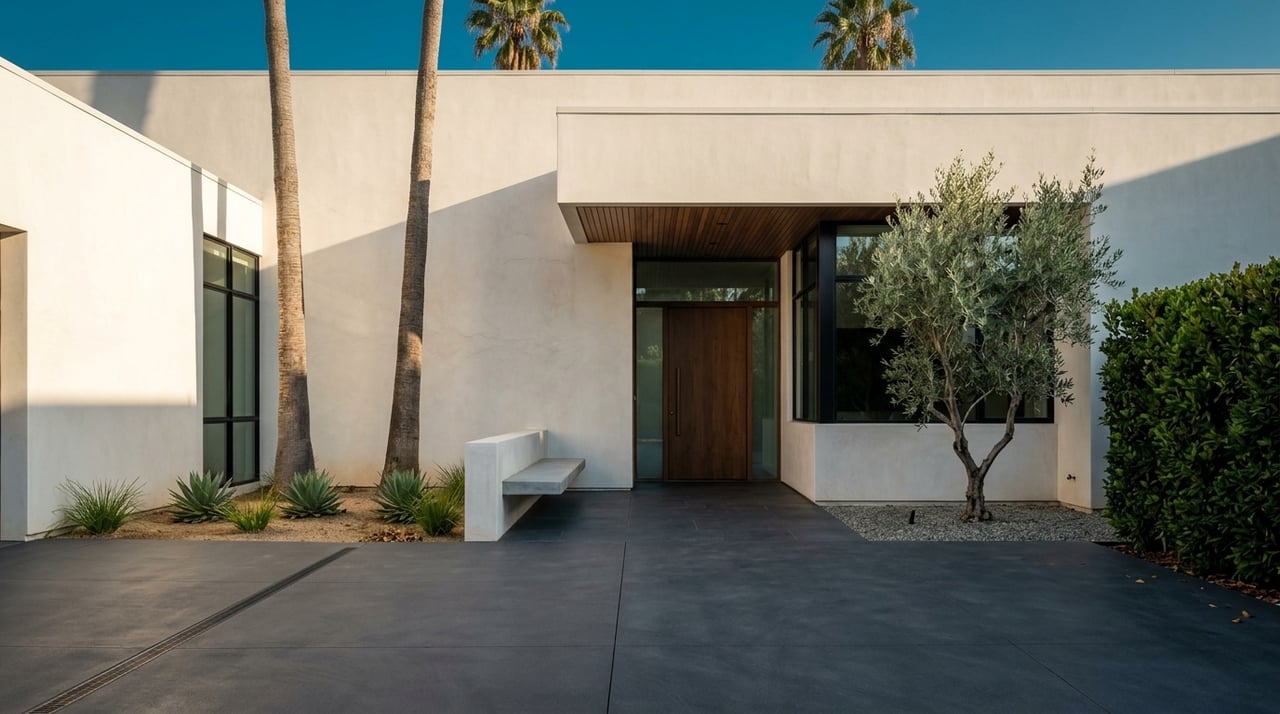
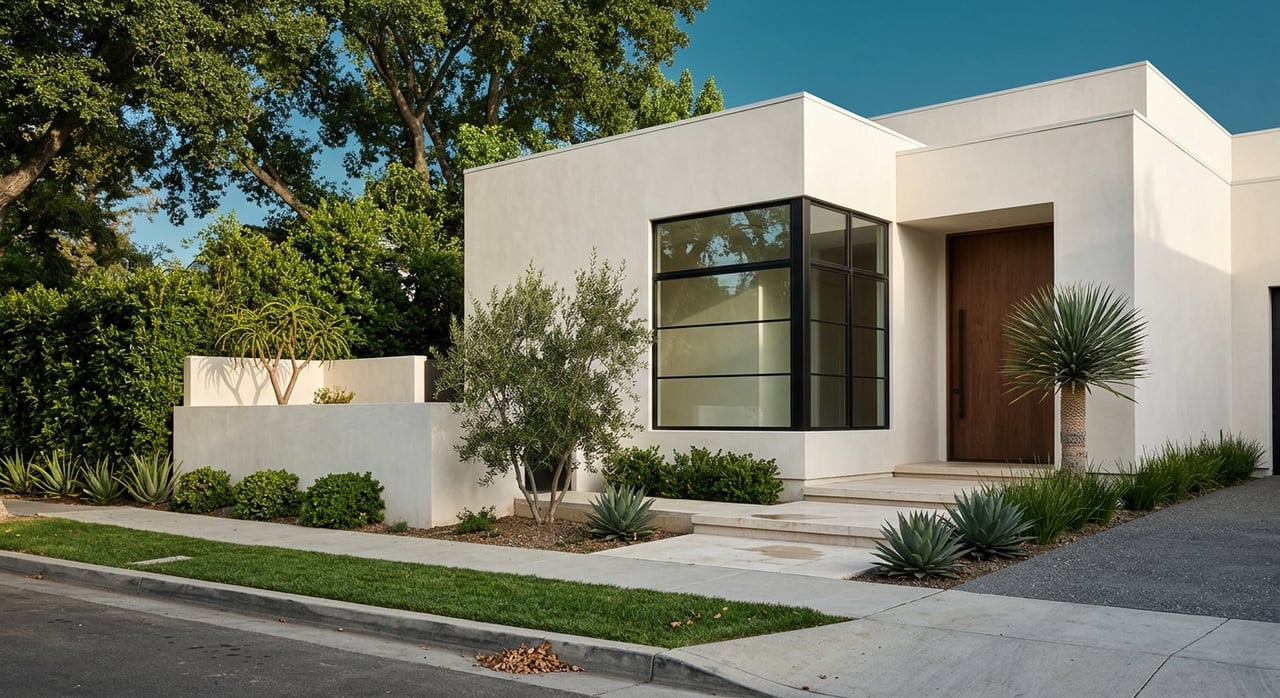
A coastal home gives you full control over your property and greater privacy. You gain a yard, room to entertain, and the ability to tailor spaces over time. Many buyers choose North of Montana or Wilshire–Montana for quiet, residential blocks with convenient access to cafes, parks, and schools. If you value autonomy over design and maintenance decisions, a single-family home often fits better than a condo.
Maintenance and coastal exposure
With a house, you take on all exterior upkeep. In ocean-adjacent zones, salt air accelerates corrosion on metalwork and shortens the life of exterior paint, decking, and window seals. Roofs, HVAC systems, and coastal fencing or walls require proactive care. Budget a higher annual maintenance reserve than you would inland. Industry sources note that beachfront and ocean-exposed properties benefit from more frequent inspections and scheduled maintenance to preserve condition and value; see an overview of these cost drivers here.
Hazards, permits, and remodeling
Portions of Santa Monica’s shoreline face exposure to sea level rise, storm surge, and tsunami inundation. Before you buy, review the City’s Safety Element and hazard maps to assess property-specific vulnerability and potential mitigation needs. The City’s planning materials are available here.
If you plan to remodel near the bluff edge or shoreline, major work can trigger a Coastal Development Permit under the California Coastal Act and the city’s Local Coastal Program. This can lengthen timelines and constrain certain coastal hardening measures. A concise overview of permit triggers is provided in this coastal permit guide.
Insurance and risk transfer
Standard homeowners policies exclude flood. Flood insurance is available through the National Flood Insurance Program and private carriers. Under FEMA’s Risk Rating 2.0, premiums reflect property-specific risk and replacement cost, and coastal homes can see materially higher premiums. If you are evaluating a coastal purchase, obtain live flood quotes and confirm coverage limits against your replacement-cost estimate. Learn how pricing works under Risk Rating 2.0. Earthquake coverage in California is separate; include premiums and deductibles in your annual carrying-cost plan.
Taxes, fees, and carrying costs
- Property tax baseline: California’s Proposition 13 caps the base property tax rate at 1 percent of assessed value. In Los Angeles County, effective tax bills often run about 1.1 to 1.3 percent after local assessments. Plan with local effective rates, not just the 1.0 percent base. A summary appears here.
- Transfer tax at the very high end: Effective March 1, 2023, Santa Monica voters approved Measure GS, which adds a top tier documentary transfer tax of $56 per $1,000 (5.6 percent) for transactions at $8M and above. This has a material impact on seller net sheets and deal structure at the ultra-prime level. See a legal analysis here.
- Loan size and financing: Many Santa Monica purchases exceed conforming loan limits, which can push buyers into jumbo financing. Confirm your loan type and rate options early to align with your target neighborhoods and property types.
Resale dynamics in Santa Monica
Land is scarce in prime coastal enclaves. Over time, the land component can support strong single-family pricing relative to condos. That said, well-located luxury condos along Ocean Avenue or in downtown’s most walkable blocks command top dollar and remain competitive for buyers who value service and simplicity. The nuance often lies in carrying costs and the future buyer pool. High HOA dues can offset lower purchase prices for some buyers, and non-warrantable projects can narrow financing options at resale, as noted in industry guidance on project eligibility and marketability.
Short-term rentals and local rules
Santa Monica allows limited home-sharing when the host is present but prohibits vacation rentals that convert permanent housing to transient use across most residential zones. The city actively enforces these rules, including litigation against repeat violators, as reflected in a 2026 case noted here. If rental income is part of your plan, verify HOA restrictions and city registration requirements before you buy.
Quick checklists to compare
Luxury condo due diligence
- Request the full resale packet: CC&Rs, bylaws, budget, financials, reserve study, insurance declarations, litigation disclosures, and recent meeting minutes. Statutory guidance is outlined in the Davis–Stirling Act.
- Confirm current HOA dues and what is included, including master-policy scope and any earthquake coverage.
- Ask your lender to confirm project warrantability using Fannie Mae’s eligibility review.
- Review investor occupancy limits, rental rules, and any short-term rental exposure.
- Scan reserve studies and minutes for near-term elevator, roofing, parking, or structural work that could drive special assessments.
Single-family coastal due diligence
- Hazard checks: review FEMA flood maps and the City’s tsunami and sea-level rise materials; obtain a site elevation and flood-risk assessment. Start with FEMA’s overview of Risk Rating 2.0 and the City’s Safety Element.
- Envelope and corrosion inspection: focus on exterior envelope, windows and doors, rusted fasteners, HVAC, and coastal wear; budget higher recurring maintenance. See a cost driver summary here.
- Entitlement and permit history: confirm whether prior bluff or shoreline work had proper Coastal Development Permits, and understand current constraints. Reference this coastal permit guide.
- Insurance planning: obtain flood and earthquake quotes early, and verify that NFIP or private limits align with replacement cost.
How to choose what to tour first
- Choose a luxury condo if you prize walkability, services, and a low-maintenance lifestyle and accept fixed monthly fees as the price of convenience. Focus on Ocean Avenue towers and select downtown boutique buildings, and verify reserve health and project eligibility early.
- Choose a coastal single-family home if you value private outdoor space, design autonomy, and long-term land appreciation and accept the responsibility and cost of exterior maintenance and coastal risk mitigation. In Santa Monica, North of Montana and Wilshire–Montana often align with these goals.
If you would like a private, data-backed comparison of specific buildings and blocks that match your priorities, we can curate a first-pass tour list and outline carrying costs for each option.
Ready to see what fits your life? Request a Private Showing through Gary Glass Estates for a confidential consultation and a curated tour plan.
FAQs
What does “warrantable” mean for a Santa Monica condo?
- Lenders evaluate the entire condo project for eligibility; if the building fails criteria around reserves, litigation, investor concentration, or commercial space, financing choices narrow and rates may rise. Ask your lender to verify status using Fannie Mae’s project eligibility review.
How high are HOA dues in luxury Santa Monica buildings?
- Dues vary by age and services; full-service coastal towers often run in the mid-thousands per month, while smaller or less amenitized buildings may be several hundreds to low thousands. Confirm inclusions and reserve health in the resale packet.
What permits might I need to remodel a blufftop home?
- Major bluff or shoreline work can trigger a Coastal Development Permit under the Coastal Act and the local coastal program, which can lengthen timelines and constrain certain protective measures. See a concise overview here.
How do Santa Monica’s short-term rental rules affect owners?
- The city permits limited host-present home-sharing and prohibits most vacation rentals; enforcement is active and ongoing, as reflected in a 2026 case summarized here. Always verify HOA rules and city registration before planning rentals.
What taxes and fees should high-end sellers expect?
- Beyond property taxes that often total about 1.1 to 1.3 percent in LA County, Santa Monica’s Measure GS adds a 5.6 percent transfer tax tier for transactions at $8M and above, which can materially affect net proceeds. Review the legal summary here.