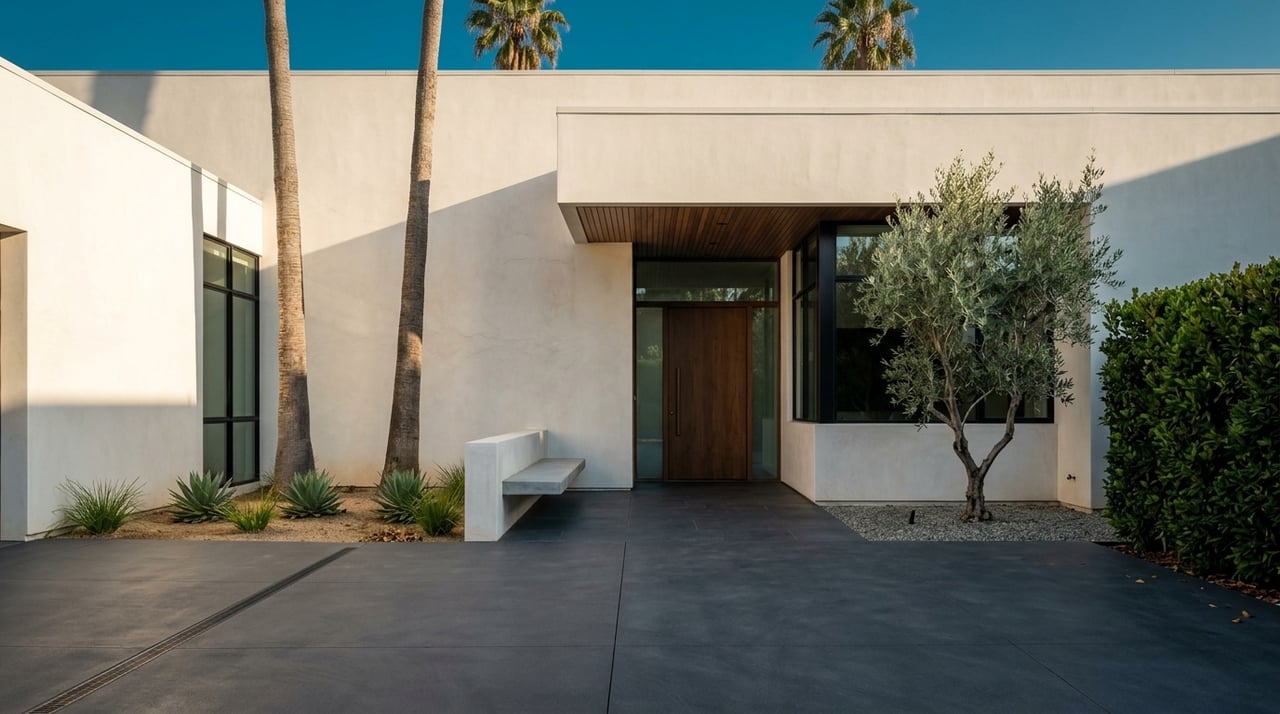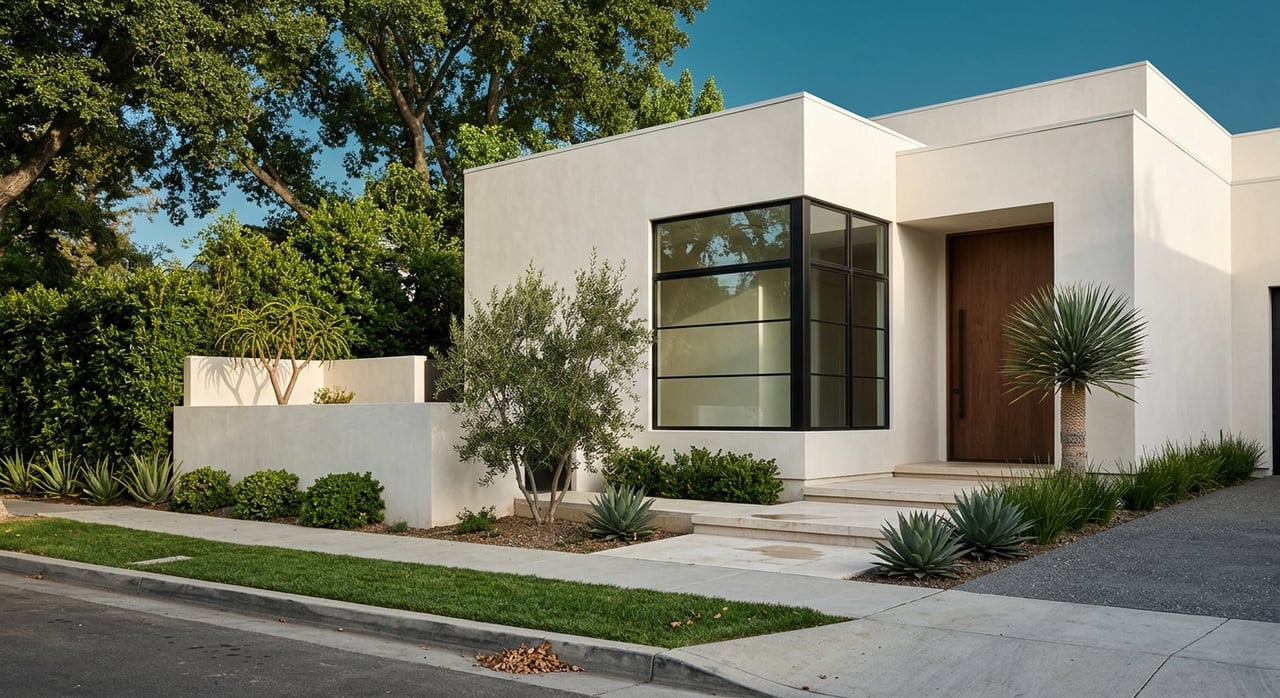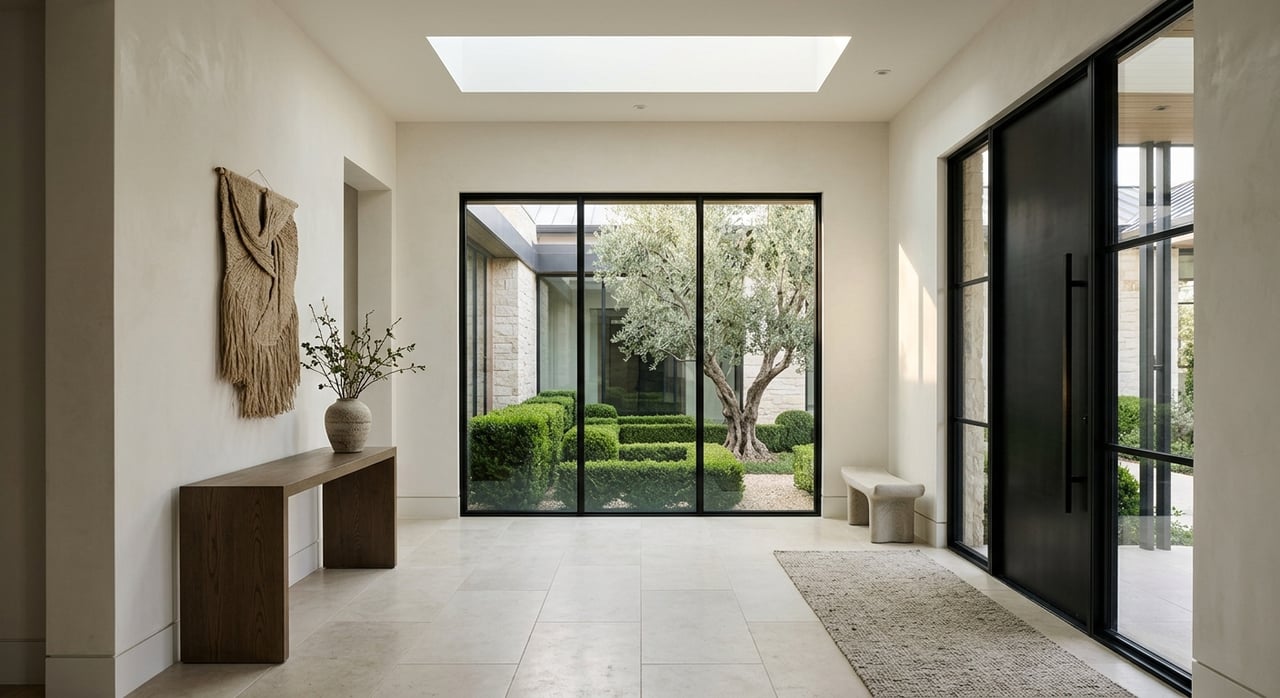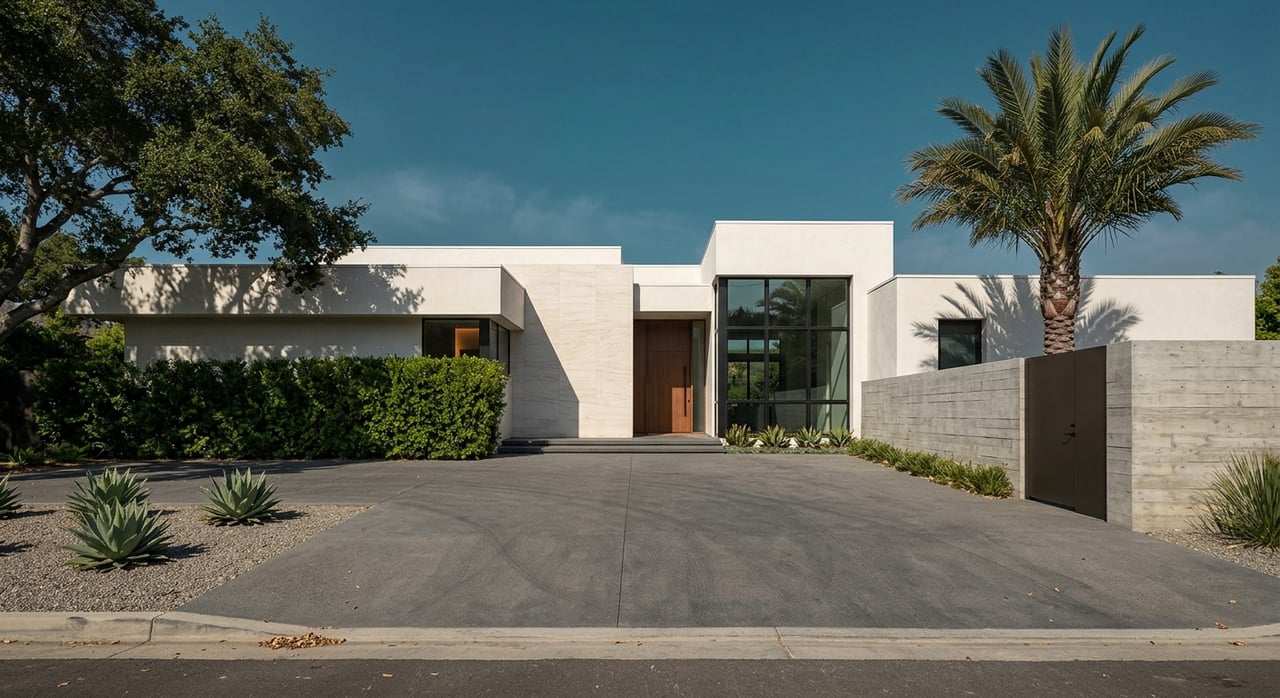
If you price a Bel Air estate by neighborhood average alone, you can miss the market by millions. That is because Bel Air is not a broad, uniform market. It is a collection of highly individual estates, hidden sites, and complex hillside parcels where value often turns on details that do not show up in a headline median. If you are preparing to sell an ultra-prime property, this guide will help you understand how pricing really works in Bel Air and what to weigh before you go to market. Let’s dive in.
Why Bel Air Pricing Is Different
Bel Air behaves more like a series of micro-markets than a single neighborhood. Los Angeles City Planning describes the Bel Air Estates district as an area with irregular parcels, varied topography, winding streets, narrow roads without sidewalks, privacy walls, gated entries, mature trees, and many rebuilt homes. Those features shape both buyer perception and actual usability.
That is one reason public market numbers can look inconsistent. Current snapshots show a wide spread in reported pricing and pace, with median listing prices, sale prices, and days on market varying notably by source and timeframe. In a market with thin volume and a mixed set of property types, broad averages are useful only as a starting point.
For ultra-prime estates, the real work happens at the property level. A flat site in a prime south Bel Air pocket may trade on a very different logic than a larger but steeper parcel farther north. In practice, pricing requires a narrow, evidence-based analysis rather than a neighborhood-wide shortcut.
Start With the Right Comp Set
The best comps for a Bel Air estate are usually the nearest relevant closed sales in the same micro-pocket. After that, current competition and selected pending deals help refine the range. This matters because Bel Air’s hidden homes, irregular lot patterns, and varied topography make loose comparisons far less reliable than they might be in a more uniform neighborhood.
A strong comp set should filter for features that actually drive value. In Bel Air, that often includes:
- Lot size and whether adjoining land has been absorbed
- Slope and overall site usability
- Driveway geometry and access
- Privacy treatment, including gates, walls, and hedging
- Architectural era and pedigree
- Remodel level versus teardown value
- Current competing listings and list-to-sale behavior
This is where broad median data can become misleading. In Q1 2026, one reported Bel Air market update showed a median close price of $3.3 million and an average close price of $4.77 million. That gap is a reminder that a few higher sales can pull averages upward in a low-volume luxury market.
Why Micro-Pocket Analysis Matters
In Bel Air, the difference between one street and the next can be material. Some sites offer flatter pads, easier access, and more straightforward utility for daily living or future redevelopment. Others carry hillside constraints that affect design flexibility, approvals, or buyer confidence.
That is why the closest relevant sale is often more valuable than a larger sample of broader neighborhood data. A same-street or same-pocket analogue can better reflect what buyers are actually comparing when they decide whether your home is worth the asking price. For trustees, estate representatives, or long-time owners, it is also useful to document why certain sales were included and others were not.
Lot Value Can Outweigh House Value
In ultra-prime Bel Air, land often deserves as much attention as the residence itself. Raw acreage alone does not tell the full story. Usable site area, shape, access, and buildability can matter more than square footage on paper.
Los Angeles City Planning notes that smaller lots in the district have sometimes been absorbed into adjoining parcels to accommodate larger homes. That means a site’s redevelopment potential, view orientation, and practical utility may carry more pricing weight than an older structure sitting on top of it. In some cases, the highest-and-best-use analysis becomes central to valuation.
If your property may appeal to both end users and developers, pricing has to account for both audiences. An owner-user may focus on livability, architecture, and privacy. A developer is more likely to study site efficiency, entitlement risk, and whether the property supports expansion, major renovation, or a full rebuild.
Buildability and Access Affect Price
Bel Air pricing is not just about beauty or square footage. It is also about friction. In hillside areas, access and roadway conditions can directly affect a property’s redevelopment profile.
Los Angeles Bureau of Engineering guidance states that new construction or additions on lots fronting a substandard hillside limited street may require street dedication or other approvals. It also states that lots without a minimum 20-foot continuous paved access route to the main residence may require added approval before building or grading permits are issued.
For sellers, that means access is a pricing input. A large lot with difficult approach, narrow roadway conditions, or more complicated approval paths may not command the same premium as a similarly sized parcel with smoother development potential. Buyers at the ultra-prime level often price in time, uncertainty, and execution risk.
Architectural Provenance Still Carries Weight
Bel Air’s legacy character continues to matter in valuation. The district includes period estates associated with notable architects such as Paul R. Williams, Wallace Neff, and Roland E. Coate. Even though the district no longer qualifies as a historic district, Los Angeles City Planning notes that it may still warrant special consideration in local planning.
For pricing purposes, that legacy can influence buyer demand in meaningful ways. Architectural pedigree, intact design details, mature landscaping, and estate-scale presentation may support stronger positioning when they are preserved well. At the same time, many original homes have been demolished and replaced, so buyers also weigh whether a property is best valued as a restored estate, a remodeled luxury home, or a land play.
Privacy and Exposure Must Be Balanced
Privacy is one of Bel Air’s defining features, but it complicates pricing strategy. Los Angeles City Planning notes that many properties are shielded by walls, hedges, and gates, with limited visibility from the public right-of-way. That privacy supports the neighborhood’s appeal, but it also narrows the way buyers encounter and evaluate listings.
If you are selling a legacy estate or trust property, the question is rarely whether to market publicly or privately in absolute terms. The better question is how much exposure is necessary to test the market properly without sacrificing discretion. In a thin market, too little exposure can leave value on the table, while overly ambitious pricing can lead to extended market time and harder negotiations later.
This is where measured marketing matters. A thoughtful launch can preserve confidentiality while still reaching a qualified buyer pool through curated outreach, private showings, and selective promotion. In Bel Air, pricing and exposure strategy should be developed together, not as separate decisions.
Wildfire and Disclosure Shape Buyer Confidence
Wildfire and hillside risk do not set value on their own, but they can affect buyer confidence, insurance considerations, and redevelopment planning. In California, the Natural Hazard Disclosure Statement must now state whether a single-family residential property is in a high fire hazard severity zone. The Real Estate Transfer Disclosure Statement also addresses physical condition and hazards.
CAL FIRE states that hazard maps are based on factors such as vegetation, topography, climate, ember movement, and fire history. The California Department of Insurance has also clarified that these maps are for planning purposes rather than insurance underwriting, while insurers use their own wildfire risk models.
For pricing, the practical issue is clarity. When buyers understand the site, the condition, and the known constraints, they can price risk more confidently. California DRE notes that third-party reports from engineers, surveyors, geologists, or contractors can help support a fuller disclosure package and reduce uncertainty around condition or site issues.
What an Effective Pricing Strategy Looks Like
A strong pricing strategy for a Bel Air ultra-prime estate usually combines several layers of analysis rather than relying on one metric. The goal is to position the property where serious buyers see both credibility and opportunity.
In most cases, that means:
- Identifying the closest and most relevant closed sales in the same micro-pocket
- Adjusting for lot utility, views, access, privacy, and condition
- Studying current active competition and selective pending sales
- Evaluating whether the asset is best understood as a finished home, legacy estate, or redevelopment parcel
- Factoring in hillside, wildfire, and disclosure realities that may affect buyer confidence or future use
- Matching the pricing plan with the right level of exposure and discretion
This approach is especially important in Bel Air because public numbers can tell very different stories. Reported medians, averages, and days on market vary widely. That does not mean the market is unknowable. It means pricing requires a narrow lens and a disciplined read of what sophisticated buyers will actually compare.
Pricing for Outcome, Not Just Attention
In the ultra-prime segment, the highest asking price is not always the strongest strategy. Overpricing in a market with limited direct comps can reduce urgency and invite later discounts. Thoughtful pricing, by contrast, can create credibility, protect negotiating leverage, and bring the right buyers to the table sooner.
That is particularly true in Bel Air, where every property tells its own story. The site, the access, the architecture, the privacy profile, and the redevelopment angle all shape what the market will bear. When those details are analyzed carefully, pricing becomes less about guesswork and more about stewardship.
If you are weighing a sale in Bel Air, a measured valuation can give you a clearer path forward. For discreet, senior-led guidance on pricing, positioning, and tailored marketing for an ultra-prime estate, connect with Gary Glass Estates.
FAQs
How should you price a Bel Air ultra-prime estate with few direct comps?
- Start with the nearest relevant closed sales in the same micro-pocket, then adjust for lot utility, access, views, privacy, condition, and current competition rather than relying on a broad neighborhood median.
Does lot size matter more than house size in Bel Air pricing?
- Often, yes. In Bel Air, usable site area, buildability, and access can matter as much as or more than the size of the existing residence, especially for estate parcels or redevelopment candidates.
Should you market a Bel Air estate publicly or privately?
- It depends on your privacy goals and pricing strategy. Curated exposure can be effective in Bel Air, but too little market exposure may reduce competition and leave value on the table.
Do hillside access issues affect Bel Air estate value?
- They can. Street conditions, paved access, and approval requirements may affect redevelopment potential, project timing, and buyer confidence, all of which can influence price.
Do wildfire disclosures matter when pricing a Bel Air property?
- Yes. Hazard disclosures, insurance considerations, and clear third-party reporting can affect how buyers assess risk and may influence both confidence and offer strength.