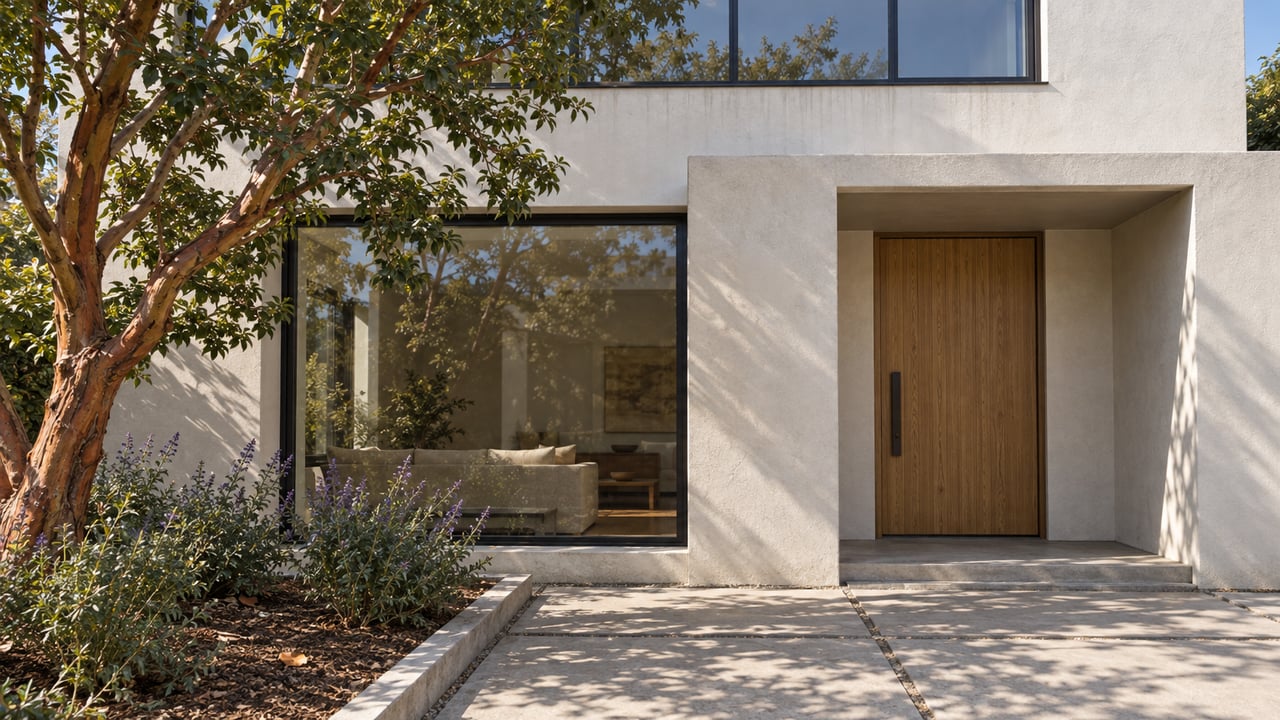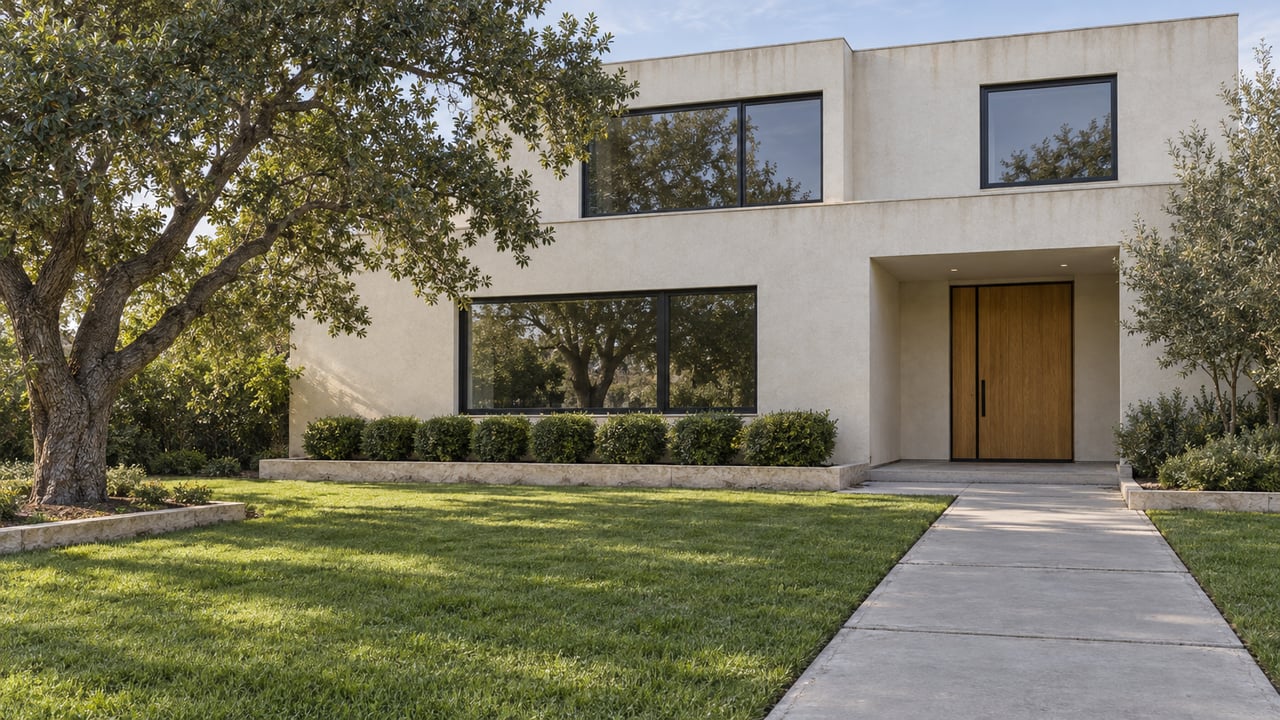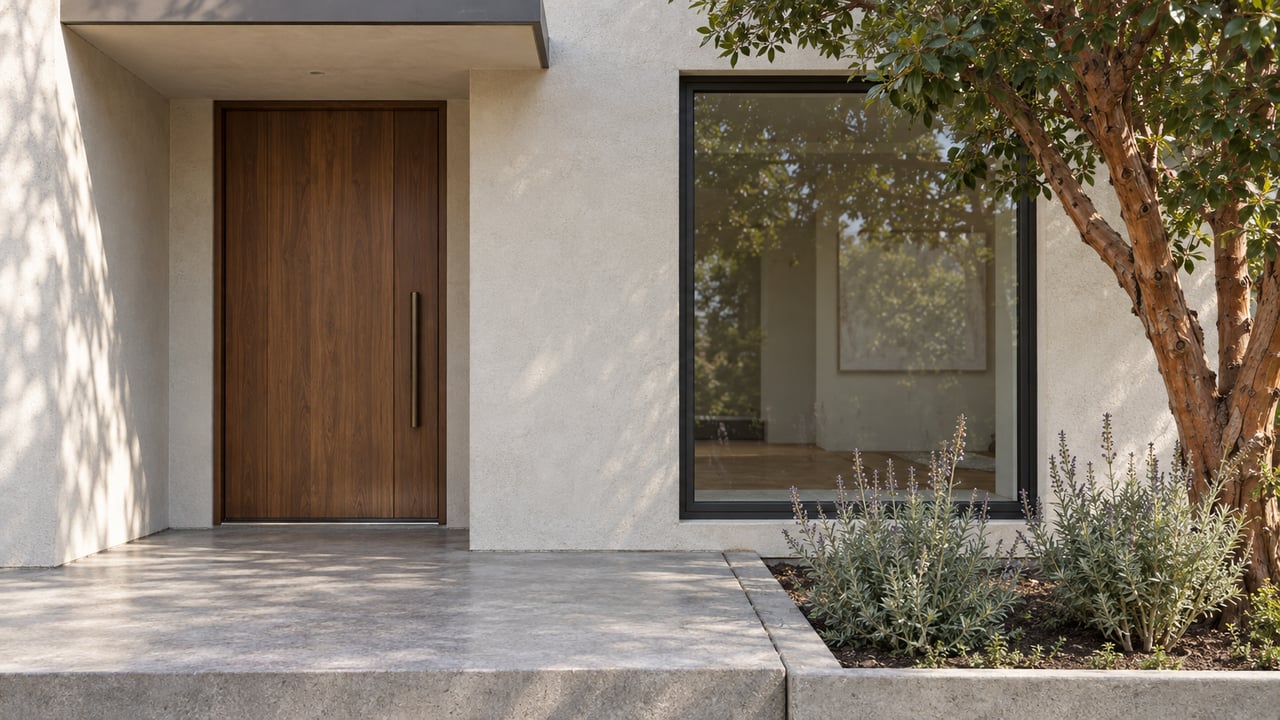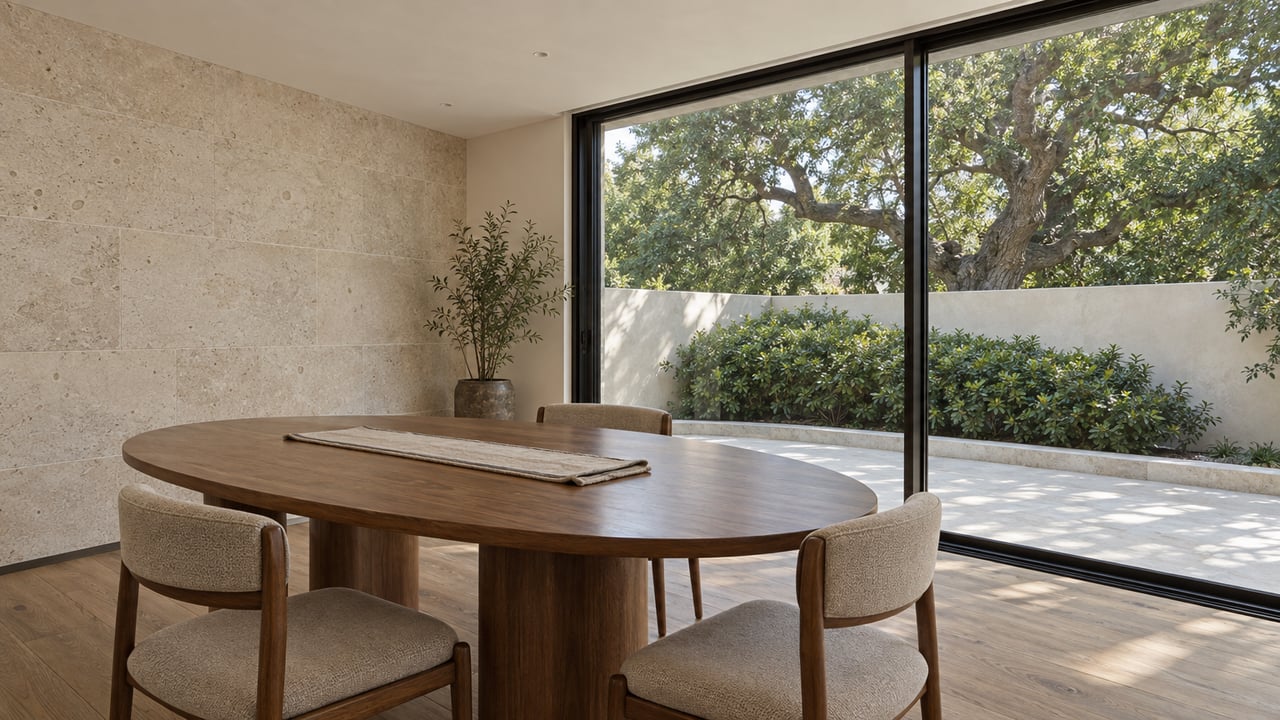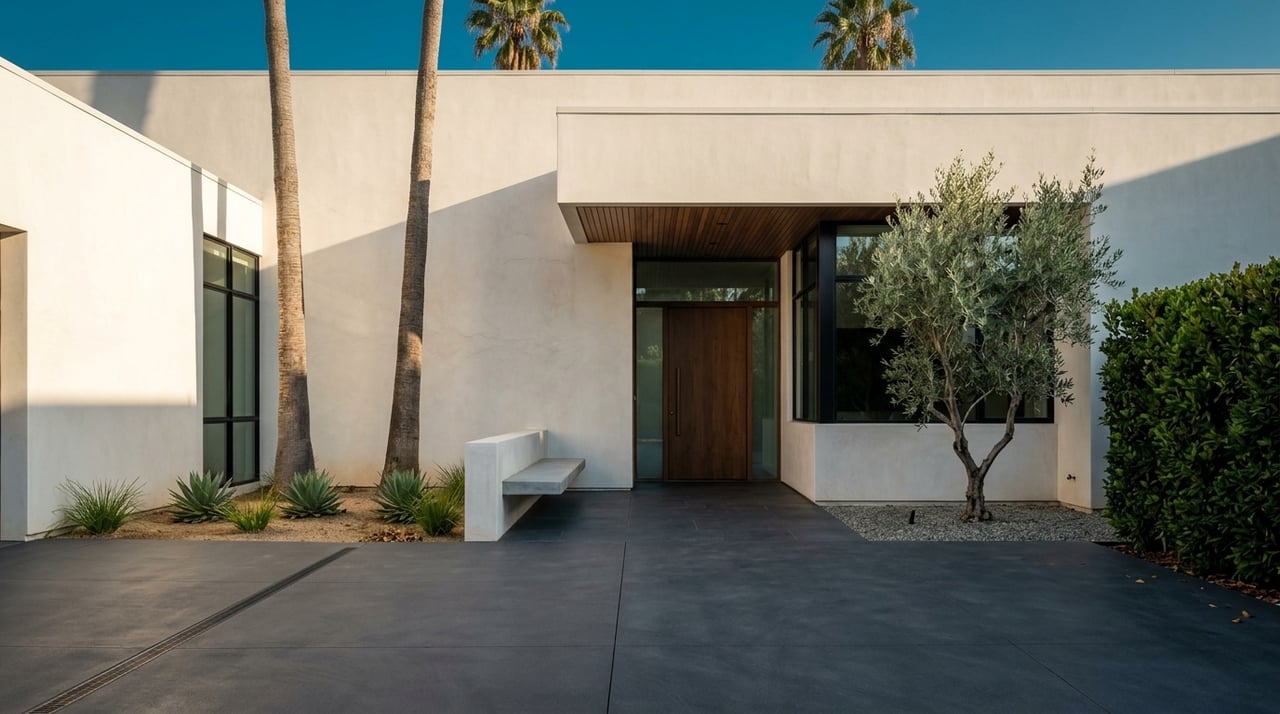
What does luxury look like when it does not need to announce itself? In Bel Air, the answer is less about spectacle and more about space, privacy, and a calm sense of remove from the city around you. If you are curious about what defines Bel Air’s lifestyle, this guide will show you how the neighborhood’s planning, housing, and surroundings create a distinctly quiet form of luxury. Let’s dive in.
Bel Air’s luxury starts with planning
Bel Air feels different from many Los Angeles neighborhoods because it was designed to. SurveyLA describes the original Bel Air Estates as a 1922 subdivision with underground utilities, planned bridle trails, and an architectural committee. Those details point to an estate district from the beginning, not a standard city grid that later became expensive.
That original planning still shapes the experience of the neighborhood today. According to SurveyLA, the area includes more than 80 irregular parcels, with flatter land to the south and steeper hills to the north. Streets follow the terrain rather than forcing a rigid pattern, which gives Bel Air its winding, hidden feel.
The physical design supports privacy in practical ways. SurveyLA notes narrow streets, limited sidewalks, mature vegetation, high privacy walls, hedges, and gated driveways. Together, those features create a setting that feels residential, protected, and notably low-key.
Privacy defines daily life
In Bel Air, privacy is not just a preference. It is part of the neighborhood’s built environment. Large homes, deep setbacks, and screened entries mean much of what happens on a property stays out of public view.
That sense of separation changes the rhythm of daily life. You are often arriving by car, entering through gates, and moving through streets where landscaping softens views and minimizes visual noise. The result is a luxury experience that feels quieter and more personal than what you might associate with high-profile Los Angeles living.
This is one reason Bel Air continues to stand apart. The neighborhood does not depend on visibility or constant activity to feel important. Its appeal comes from restraint, scale, and the ability to feel removed while remaining close to major parts of the Westside.
An owner-driven estate environment
The broader Bel Air-Beverly Crest study area offers useful context for understanding the neighborhood’s character. The City of Los Angeles’ 2022 demographic profile reports a median household income of $215,670, with 85.4% owner-occupied housing, 91.4% single housing units, and 1,240 people per square mile. While that data reflects a larger study area rather than Bel Air alone, it supports the broader picture of a low-density, owner-heavy residential setting.
That matters because owner-heavy neighborhoods often feel more stable and less transient. In Bel Air, the housing pattern aligns with an estate lifestyle centered on long-term ownership and stewardship. You see that in the scale of properties, the investment in landscaping, and the way homes are positioned within their lots.
The housing stock also adds depth. The same city profile suggests that many homes were built in the 1950s and 1960s, while a meaningful share dates to 1939 or earlier. Paired with SurveyLA’s note that smaller lots are sometimes absorbed into adjoining parcels for larger homes, Bel Air reads as layered rather than uniform.
Architecture feels layered, not repetitive
One of Bel Air’s quieter strengths is its variety. On a single stretch, you may find legacy estates, mid-century homes, and newer rebuilds coexisting within the same broader streetscape. That mix gives the neighborhood a sense of continuity without making it feel frozen in time.
Because the parcels are irregular and the roads follow the land, homes often reveal themselves gradually. You are not looking at a repetitive sequence of facades. Instead, the architecture is part of a larger composition that includes hillside contours, mature trees, gates, walls, and long driveways.
For buyers, that can make Bel Air especially compelling. The neighborhood offers distinct property types and settings while keeping a cohesive estate identity. For sellers, that same individuality can be a meaningful advantage when a property is positioned with care and local context.
Amenities are nearby, not overwhelming
Bel Air’s lifestyle is shaped as much by what it avoids as by what it offers. This is not a retail-driven neighborhood with storefront energy on every corner. Its amenity story is more private, more residential, and more tied to clubs, hotels, culture, and outdoor space.
SurveyLA notes that the Bel Air Country Club was part of the original package of amenities used to attract buyers. That long history helps explain why club-oriented recreation remains part of the area’s identity. Nearby, the Los Angeles Country Club on Wilshire Boulevard and Riviera Country Club on Capri Drive reinforce the broader Westside pattern of private leisure woven into daily life.
Hotel Bel-Air adds another layer. Its official site places it within Bel-Air and notes that its front gates are only minutes from Beverly Hills and Century City, with a complimentary house car within a three-mile radius. That detail captures something essential about the neighborhood: you can stay close to major business, dining, and shopping hubs without living inside that activity.
Culture is close at hand
For a neighborhood that feels secluded, Bel Air has strong access to major cultural institutions. The Getty Center sits at 1200 Getty Center Drive just off the 405 north of Sunset and offers free admission with timed entry, along with art, gardens, and city views. The Hammer Museum at 10899 Wilshire Boulevard in Westwood also offers free admission.
The Skirball Cultural Center at 2701 N. Sepulveda Boulevard adds another nearby destination. These institutions help make Bel Air feel connected to Los Angeles’ cultural life even though the neighborhood itself remains overwhelmingly residential. You do not need to trade privacy for access.
That balance is part of the quiet-luxury equation. You can enjoy a highly private home environment while staying within easy reach of meaningful art, architecture, and public programming. In Bel Air, cultural access feels available, not intrusive.
Nature adds a quieter rhythm
Outdoor space is another important part of the lifestyle. The National Park Service describes Franklin Canyon as a 605-acre park between Beverly Hills and the San Fernando Valley, with both family-friendly and more robust trail options. That kind of access adds a softer, more restorative dimension to life near Bel Air.
Coldwater Canyon Park offers another nearby outdoor setting. TreePeople describes it as a 45-acre Los Angeles City park with trails and public access. Together, these parks support a daily rhythm that can include quiet walks, time outdoors, and a sense of retreat that feels unusual so close to central Los Angeles.
This helps explain why Bel Air’s version of luxury feels calm rather than crowded. The neighborhood is not only private. It is also proximate to nature in a way that supports slower, more intentional use of time.
Bel Air versus Westwood
A helpful way to understand Bel Air is to compare it with nearby Westwood. UCLA identifies Bel Air as one of the communities closest to campus, while also describing Westwood Village as a place where students shop, dine, catch a movie, and visit the Hammer Museum. That contrast is useful because it highlights how close Bel Air is to active Westside destinations.
At the same time, Bel Air itself does not function like a commercial district. Its luxury is not about storefront visibility or walkable retail corridors. It is about gates, setbacks, views, quiet streets, and a residential scale that stays visually consistent.
This distinction matters if you are deciding where on the Westside you feel most at home. If you want constant activity at your doorstep, another neighborhood may fit better. If you want quick access to city life while preserving a stronger sense of retreat, Bel Air offers a very specific answer.
Why quiet luxury endures here
Bel Air’s appeal is durable because it is rooted in physical characteristics that are hard to replicate. The winding roads, large parcels, mature landscaping, and privacy features are not decorative. They are foundational to how the neighborhood functions.
That built-in structure supports a lifestyle centered on discretion, separation, and long-term value. It also gives Bel Air an identity that feels stable even as individual homes evolve through renovation, expansion, or redevelopment. The neighborhood can change without losing what makes it distinct.
For buyers and sellers in the ultra-prime market, that is often the deeper story. Quiet luxury is not just an aesthetic. In Bel Air, it is a pattern of living created by planning, preserved by residential scale, and reinforced by proximity to clubs, culture, and nature rather than commercial intensity.
If you are considering a purchase or sale in Bel Air, understanding that nuance matters. Pricing, positioning, and buyer interest in this market are closely tied to the neighborhood’s unique blend of privacy, land, and Westside access. For discreet guidance on Bel Air estates and other premier Westside properties, connect with Gary Glass Estates.
FAQs
What makes Bel Air feel more private than other Los Angeles neighborhoods?
- Bel Air’s privacy comes from its original estate-style planning, including winding streets, large parcels, mature vegetation, high walls, hedges, and gated driveways, as documented by SurveyLA.
What type of homes are common in Bel Air?
- SurveyLA describes Bel Air as an area of mostly large, predominantly two-story single-family estates, while City of Los Angeles profile data for the broader study area shows a housing pattern dominated by single housing units.
What is the lifestyle around Bel Air amenities?
- Bel Air’s amenities are oriented more toward private clubs, nearby hotels, cultural institutions, and outdoor spaces than toward retail strips or dense commercial corridors.
How close is Bel Air to Westside destinations?
- Bel Air is close to Beverly Hills, Century City, Westwood, the Getty Center, and other Westside destinations, which allows for convenient access while preserving a more secluded residential setting.
Why is Bel Air called a quiet luxury neighborhood?
- Bel Air is often described this way because its luxury is expressed through privacy, space, low density, residential scale, and understated access to culture and leisure rather than visible commercial activity.