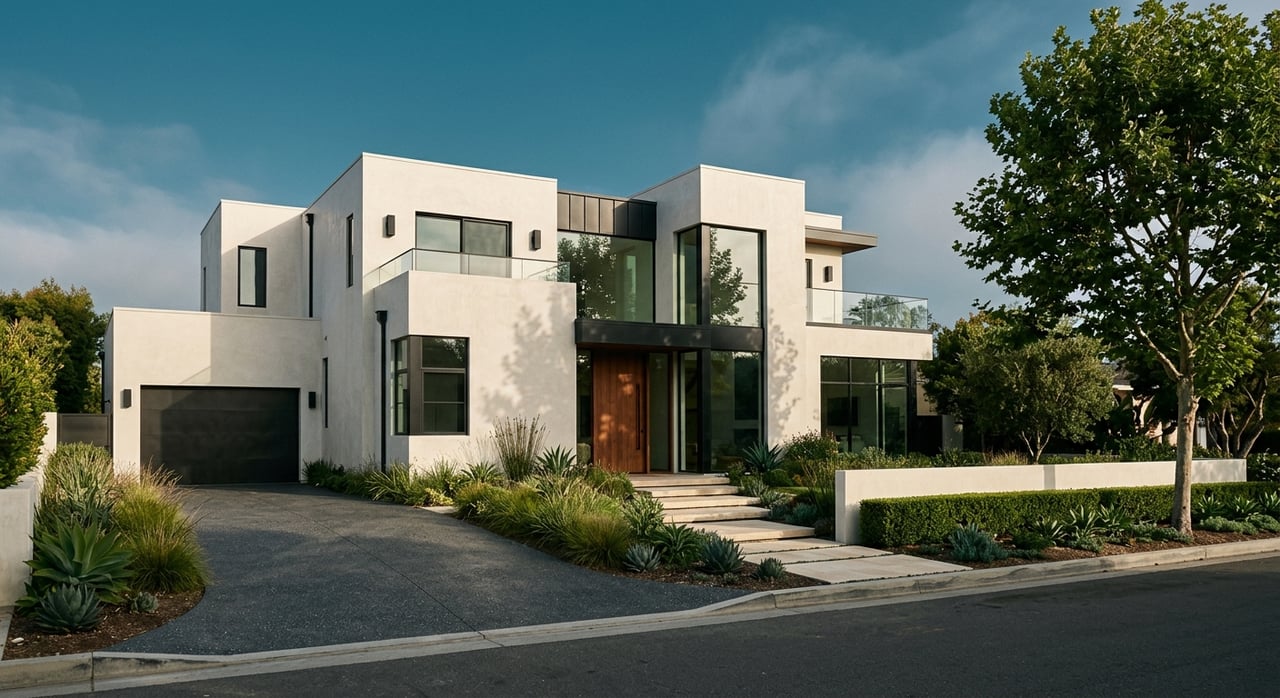
If you are looking at Santa Monica’s most established residential pocket, North of Montana stands apart quickly. The streets feel quieter, the lots often feel larger, and the setting pairs coastal access with a more private residential rhythm. If you want a clearer sense of what living here is actually like, this guide walks you through the streets, lifestyle, and market signals that shape North of Montana today. Let’s dive in.
Where North of Montana Begins
North of Montana occupies Santa Monica’s northernmost residential section. According to the City of Santa Monica housing materials, it is roughly bounded by Adelaide Drive, San Vicente Boulevard, and La Mesa Drive on the north, 26th Street on the east, Montana Avenue on the south, and Ocean Avenue on the west.
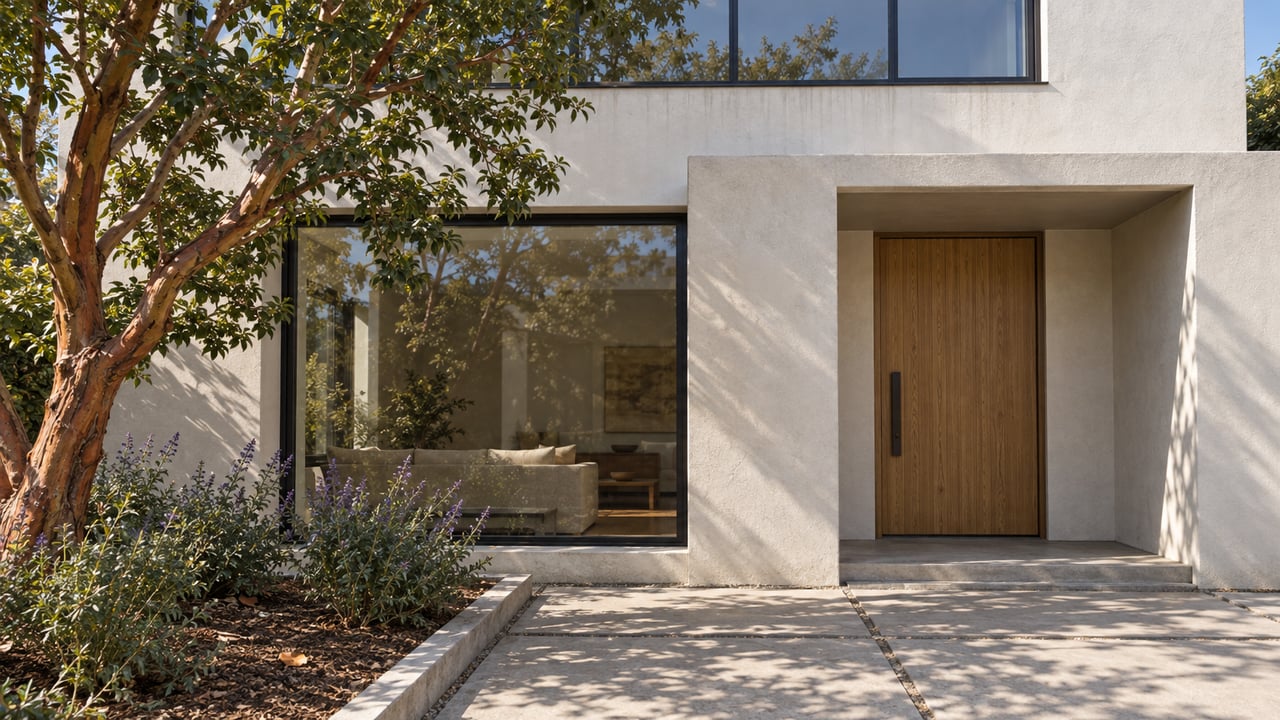
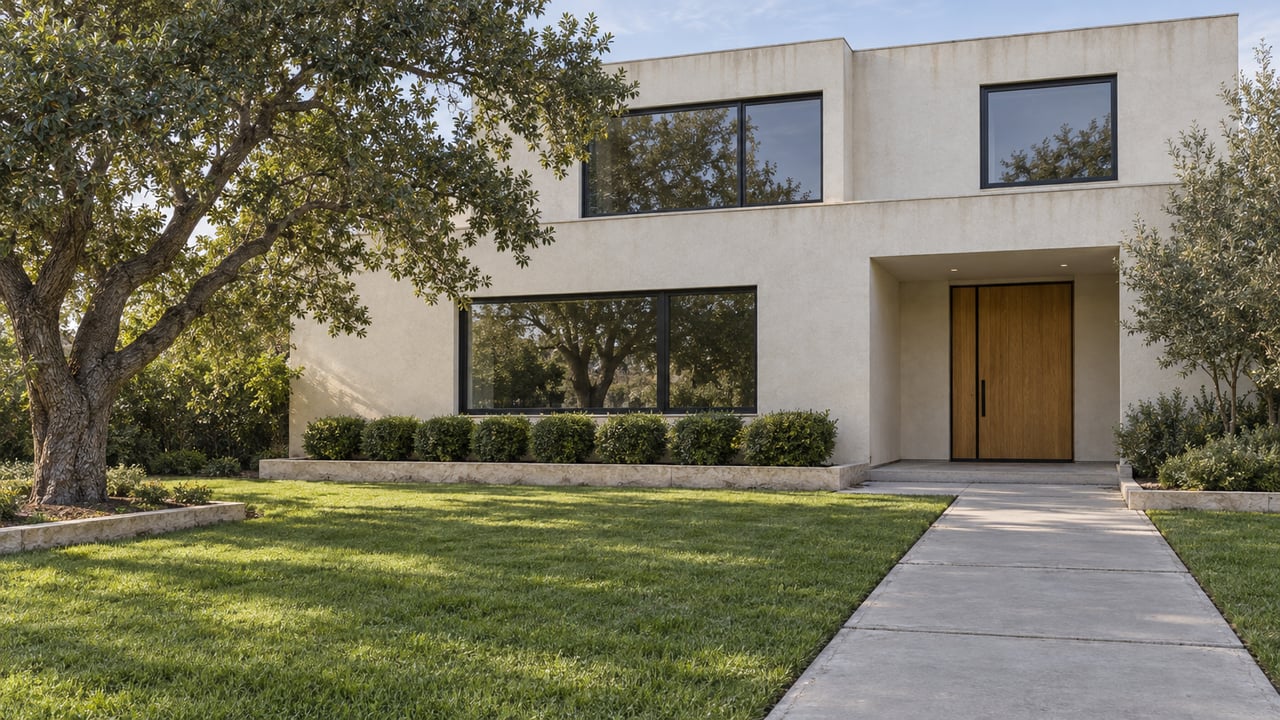
City planning documents describe the neighborhood as largely residential, with generous lot sizes, wide streets, broad parkways, mature street trees, and a mostly rectilinear grid. The city’s long-range planning framework also treats it as a distinct residential area where scale, historic homes, landscape features, and architectural variety are important to preserve.
What the Streets Feel Like
One of the reasons North of Montana holds lasting appeal is that it does not feel uniform. While the neighborhood reads as cohesive, different edges and corridors create different experiences depending on where you are.
That matters if you are buying or selling here. In a premium micro-market, street identity can influence how a property is perceived, positioned, and valued.
Adelaide Drive and Adelaide Place
Adelaide is one of the neighborhood’s signature addresses. In the city’s historic-resources reporting, Adelaide is noted for some of Santa Monica’s most spectacular coastline views and for becoming home to some of the city’s grandest residences.
For you, that often translates into a bluff-adjacent setting with a more prominent, legacy feel. Homes here tend to carry a distinct sense of presence because the street itself is tied so closely to view orientation and Santa Monica’s historic prestige.
La Mesa Drive and Canyon Vista Park Area
The city survey and housing documents describe this area as one of the clearest examples of North of Montana’s estate-lot identity. It was originally marketed for oversized lots, canyon and ocean views, and proximity to the former streetcar line along San Vicente Boulevard.
If you are drawn to a more expansive residential setting, this section helps explain the neighborhood’s long-standing reputation. The lot pattern and topography give parts of the area a slightly different cadence than the more regular interior grid.
San Vicente Boulevard
San Vicente Boulevard is the major exception to the neighborhood’s otherwise rectilinear pattern. The city notes its landscaped median and mature coral trees, which give it a distinctive visual character within the area.
It also reads differently from many interior streets because blocks west of 7th Street include a historic courtyard-apartment district. In practical terms, San Vicente feels more mixed in housing form than the deeper single-family blocks.
Montana Avenue
Montana Avenue forms the neighborhood’s southern commercial edge. City materials describe the Montana Avenue commercial district as running between 6th Court and 17th Street and supporting hundreds of merchants, including local-serving retail, restaurants, cafes, personal services, and salons.
That edge is a big part of daily convenience. You can have a primarily residential setting while still being close to a compact business district built around neighborhood errands and casual dining rather than large-format retail.
Ocean Avenue and Palisades Park
On the west side, North of Montana transitions toward the coastal bluff. The city states that Palisades Park spans the bluff opposite Ocean Avenue from Adelaide Drive to Montana Avenue.
This edge shapes the neighborhood visually and experientially. It is where residential streets begin to open toward the coastline, park space, and the broader beach environment.
Daily Life North of Montana
Living North of Montana is often defined by contrast. The interior blocks are quiet and residential, while Montana Avenue provides a nearby hub for coffee, meals, and small daily errands.
The city has promoted Montana Avenue as a ten-block business district, and its local materials emphasize neighborhood-serving uses. Public life is also tied closely to the bluff and park system, with community programming such as Make Music Day activities in Palisades Park.
For outdoor access, the Annenberg Community Beach House adds a nearby public coastal amenity with recreation and beach access. Redfin also characterizes North of Montana as somewhat walkable, with some transit and very bikeable conditions, which supports a lifestyle where short local trips can often be handled without going far.
Why the Neighborhood Feels So Distinct
Some Santa Monica neighborhoods blend residential and commercial uses more evenly. North of Montana tends to feel different because its residential identity is so clearly established.
The city’s own planning language reinforces that distinction. Preservation of scale, landscape features, and architectural variety is part of how the neighborhood is understood, and that helps explain why it often feels stable, consistent, and highly legible from street to street.
For buyers, that consistency can be part of the appeal. For sellers, it can also mean that buyers are evaluating not just the home, but the exact block, setting, and relationship to streets like Adelaide, San Vicente, or Montana.
School Access and Address Verification
If school access is part of your planning, it is important to verify by address rather than assume placement based on neighborhood name alone. According to SMMUSD enrollment guidance, families should register at their neighborhood school using the district locator, and some students may be placed outside their residential attendance area if overcrowding requires it.
Within and around North of Montana, key school anchors include Franklin Elementary at 2400 Montana Ave., Roosevelt Elementary at 801 Montana Ave., and Santa Monica High School at 601 Pico Blvd. Franklin’s school information also shows how much local traffic patterns can be shaped by drop-off and pick-up activity, including crossing-guard corners and no-U-turn guidance near parts of Montana and Idaho.
That kind of detail is useful when you are evaluating a specific block. It gives you a more practical sense of how daily circulation may feel beyond the listing photos.
North of Montana Market Signals
North of Montana does not behave exactly like Santa Monica overall. The available sales data points to a thinner, more selective luxury market where pricing, presentation, and property quality matter a great deal.
According to Redfin’s North of Montana housing market data, as of February 2026 the neighborhood showed:
- $4.7 million median sale price
- 103 days on market
- 20 homes sold
- 94.5% sale-to-list ratio
- 10% of homes sold above list
- Some homes receiving multiple offers
- Hot homes going pending in around 38 days
By comparison, Redfin reported Santa Monica citywide at a $1.824 million median sale price and 58 days on market. Read together, those numbers suggest North of Montana operates as a premium micro-market, not simply a more expensive extension of the broader city.
What the Luxury Segment Is Showing
In a neighborhood like this, headline sales can reveal what buyers are rewarding. Recent reporting from The Real Deal noted that a new-construction North of Montana home set a neighborhood record and became Santa Monica’s highest Q1 2025 sale, closing about $2.1 million above list.
That does not mean every home will follow the same pattern. It does suggest, however, that turnkey or newly built product can command a meaningful premium when the design, positioning, and buyer pool align.
For sellers, that is a reminder that ultra-prime marketing is rarely generic. In a market with higher prices, fewer sales, and longer timelines, the strategy behind pricing, exposure, and buyer targeting can have an outsized effect on the outcome.
What Buyers and Sellers Should Keep in Mind
If you are buying in North of Montana, focus on the differences between streets, not just the neighborhood name. View orientation, lot size, proximity to Montana Avenue, adjacency to Palisades Park, and the character of a specific block can all shape long-term value and daily experience.
If you are selling, it helps to treat your home as part of a very specific micro-market. Buyers at this level are often comparing architecture, condition, privacy, and exact location with care, so nuanced positioning matters.
For both sides, the neighborhood rewards specificity. The more precisely you understand the street, setting, and current demand, the better your decisions tend to be.
If you are considering a move in North of Montana and want a discreet, data-driven perspective on the neighborhood, connect with Gary Glass Estates to request a private showing or discuss your property with a senior advisor.
FAQs
What area does North of Montana in Santa Monica include?
- According to City of Santa Monica planning materials, North of Montana is roughly bounded by Adelaide Drive, San Vicente Boulevard, and La Mesa Drive on the north, 26th Street on the east, Montana Avenue on the south, and Ocean Avenue on the west.
What is daily life like in North of Montana Santa Monica?
- Daily life is shaped by quiet residential streets, nearby access to the Montana Avenue business district, outdoor access around Palisades Park, and proximity to coastal amenities like the Annenberg Community Beach House.
What makes Adelaide Drive in North of Montana notable?
- City historic-resources materials identify Adelaide Drive as one of Santa Monica’s most prominent residential streets, known for coastline views and some of the city’s grandest homes.
Are schools guaranteed by living in North of Montana Santa Monica?
- No. SMMUSD advises families to verify school placement by address using the district’s enrollment process, and it notes that some placements may change when overcrowding requires it.
How is the North of Montana housing market performing?
- Redfin reports that as of February 2026, North of Montana had a $4.7 million median sale price, 103 days on market, and 20 homes sold, indicating a selective high-end market with distinct pricing dynamics.
Is North of Montana different from the rest of Santa Monica?
- Yes. Based on Redfin data and city planning context, North of Montana functions as a premium residential micro-market with higher sale prices, fewer transactions, and a more established estate-style identity than Santa Monica overall.