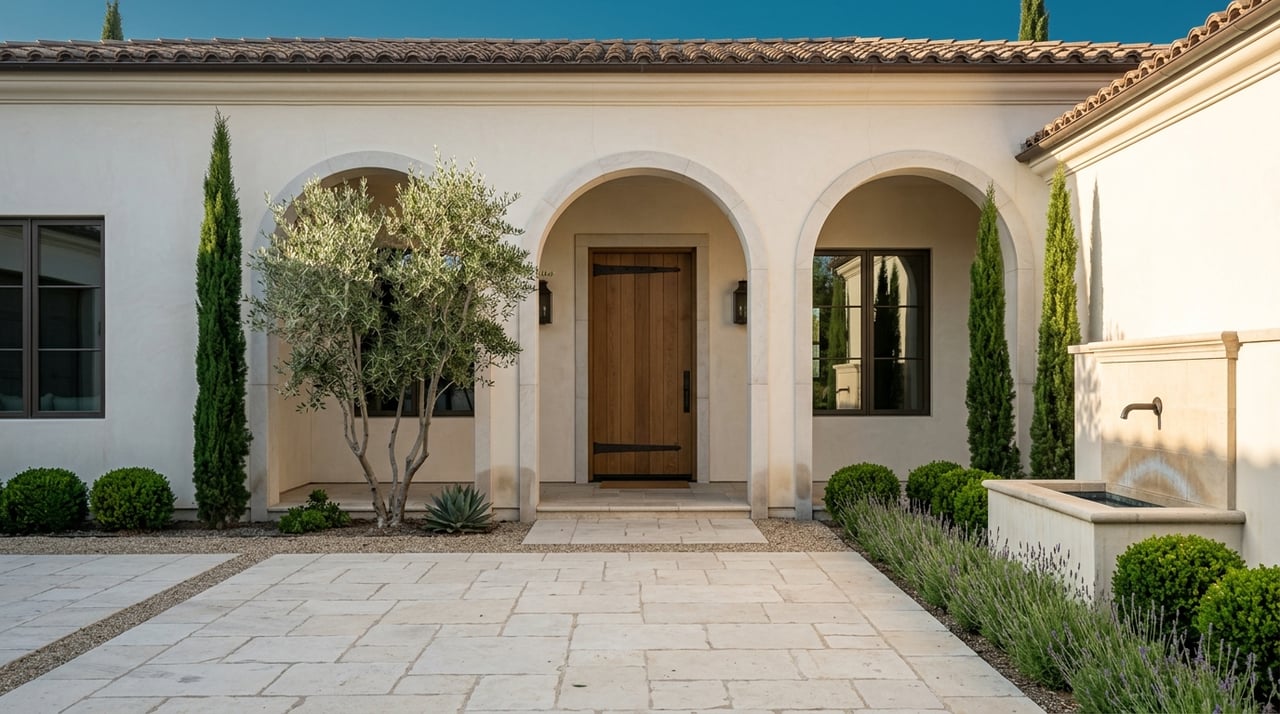
Bel Air architecture does not fit into just one box, and that is exactly what makes it so compelling. If you are buying, selling, or simply studying the market, it helps to understand why one street can feel rooted in 1920s estate tradition while another leans fully into glass, light, and contemporary scale. This guide will walk you through the architectural story of Bel Air, what defines its most recognizable home styles, and which design traits tend to matter most in today’s market. Let’s dive in.
Bel Air’s Architecture Has Always Been Layered
Bel Air was planned in the early 1920s as an estate district shaped by large lots, landscaped streets, buried utilities, bridle paths, and design oversight intended to preserve harmony. According to SurveyLA, Mediterranean architecture was encouraged, but it was never the only option. That early framework helps explain why Bel Air still feels cohesive even though it includes a wide range of styles.
Today, the area remains dominated by single-family homes from different periods of development. The Bel-Air Association continues to emphasize architectural integrity, and its review process for exterior work calls for detailed submissions such as site plans, elevations, landscaping plans, tree reports, and construction-impact plans. For owners and buyers alike, architecture in Bel Air is not just about appearance. It is also tied to stewardship, setting, and long-term value.
Classic Bel Air Estates Still Shape the Image
When many people picture Bel Air, they picture a classic revival estate. SurveyLA identifies Mediterranean Revival, Spanish Colonial Revival, Tudor Revival, French Revival, and American Colonial Revival as especially prevalent in the area. These styles remain central to Bel Air’s identity and to how the market is perceived.
Mediterranean and related revival homes often feature smooth stucco or plaster exteriors, red tile roofs, arches, balconies, and loggias. You also tend to see more formal arrival sequences and layered floor plans, with outdoor areas designed as terraces, courtyards, and gardens rather than simple rear yards. The result is a sense of structure and ceremony that many buyers still find appealing.
On larger parcels, that classic estate model expands beyond the main house. SurveyLA notes that Bel Air estates often included a guest house, pool house, detached garage, pool, tennis court, and extensive landscaped grounds. In practical terms, that means architecture in Bel Air has long been about the full compound, not just the residence itself.
What Defines a Classic Estate
A traditional Bel Air estate often includes:
- Stucco or smooth plaster exterior walls
- Red tile roofing and arched details
- Balconies, loggias, and formal entry features
- Courtyard-style outdoor rooms and terraces
- Multiple accessory structures on larger lots
- Mature landscaping integrated into the design
These details matter because they communicate pedigree and permanence. In a market like Bel Air, original detailing and overall composition can influence how a property is perceived long before a buyer studies square footage or amenity lists.
Old Hollywood Still Influences Buyer Interest
Bel Air’s architecture is also tied to its cultural history. The Los Angeles Times has connected the neighborhood to figures such as Judy Garland, Elizabeth Taylor, Alfred Hitchcock, and Zsa Zsa Gabor. That long association with legacy ownership helps explain why provenance and period character still carry weight.
For some buyers, the appeal is emotional. A home with original architectural detail, a well-preserved facade, or a notable design lineage can feel more meaningful than one built only for scale. For sellers, that means architectural authenticity is often part of the marketing story, especially when a property reflects the era that helped define Bel Air.
Postwar Bel Air Brought a Modern Turn
Bel Air is not only a neighborhood of revival estates. SurveyLA found important postwar homes by architects including Frank Lloyd Wright Jr., Craig Ellwood, Richard Neutra, and Richard Dorman. These homes introduced a different architectural language, one centered on horizontality, openness, and views.
Many of these Mid-Century Modern houses are oriented toward the rear to take advantage of hillside outlooks. That design choice still feels current because Bel Air buyers continue to value privacy and view corridors across styles. In many cases, the architecture becomes less about formal frontage and more about how the house opens to the landscape.
SurveyLA also notes that ranch-style homes make up a large portion of the postwar housing stock in western and northern Bel Air-Beverly Crest. These homes often blend casual plans with touches of Colonial Revival or Cape Cod influence. Compared with older revival estates, they typically feel less formal and easier in flow.
How Mid-Century and Ranch Homes Feel Different
Compared with classic estates, postwar Bel Air homes often emphasize:
- Lower, more horizontal massing
- Simpler circulation and more casual living spaces
- Large windows and stronger connections to views
- Indoor-outdoor living with less formal room separation
- Rear-oriented layouts that prioritize landscape and privacy
That shift remains important today because many buyers want architectural character without sacrificing comfort and livability. A well-positioned mid-century or ranch home can meet that goal in a very different way than a traditional villa.
Contemporary Bel Air Pushes Scale and Amenities
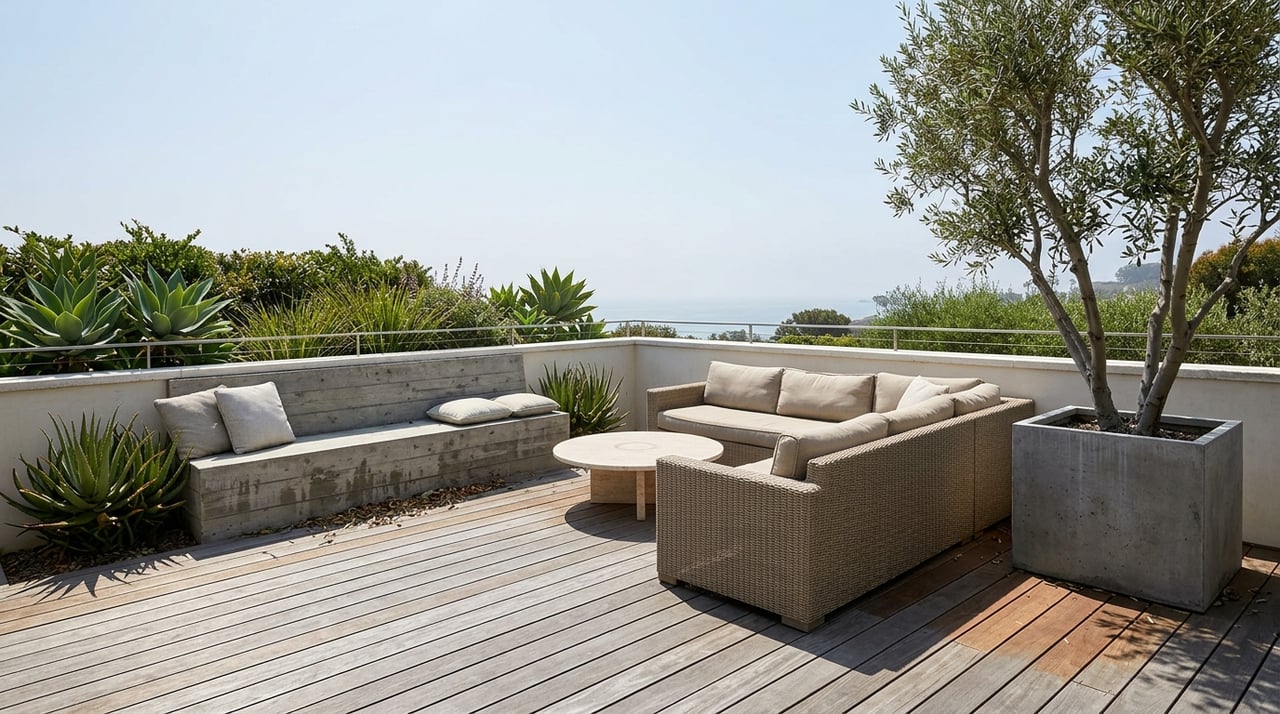
In recent years, contemporary compounds have become a major part of Bel Air’s architectural profile. Market examples highlighted by Dwell and Mansion Global feature dramatic walls of glass, rooftop decks, infinity pools, spas, gyms, theaters, wine lounges, and other resort-level amenities. These properties are designed not only as residences, but as highly programmed private environments.
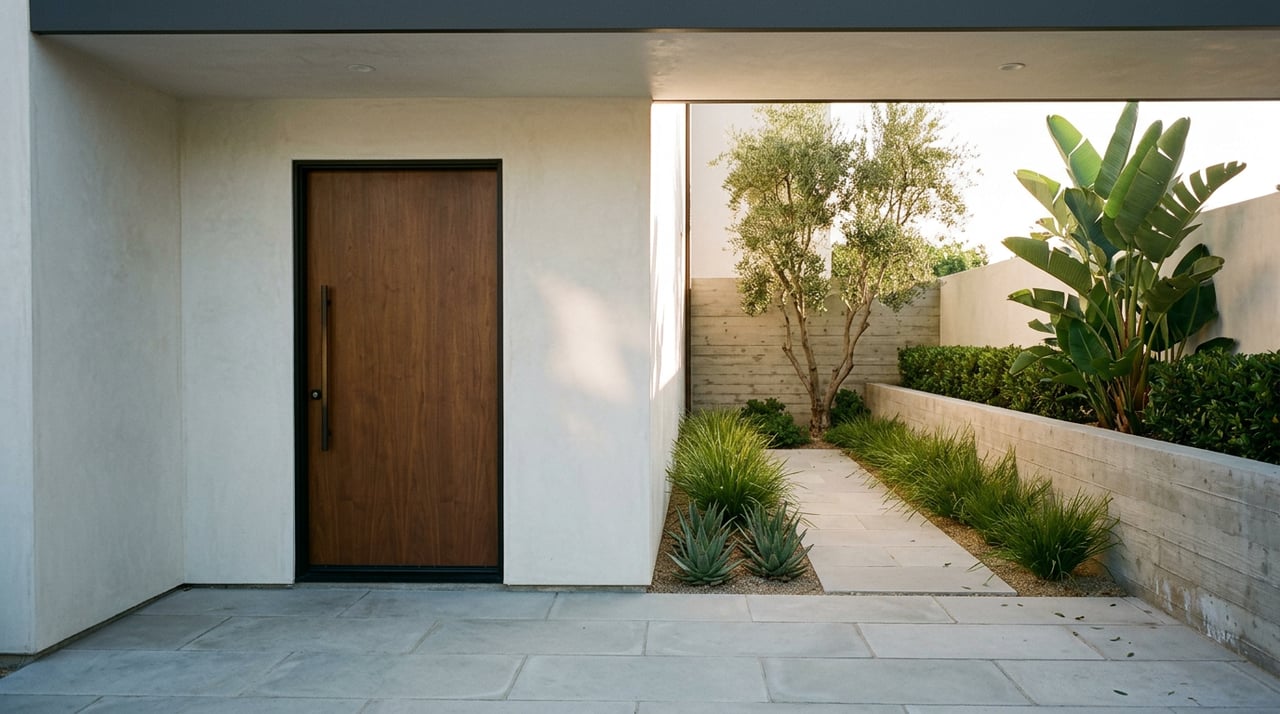
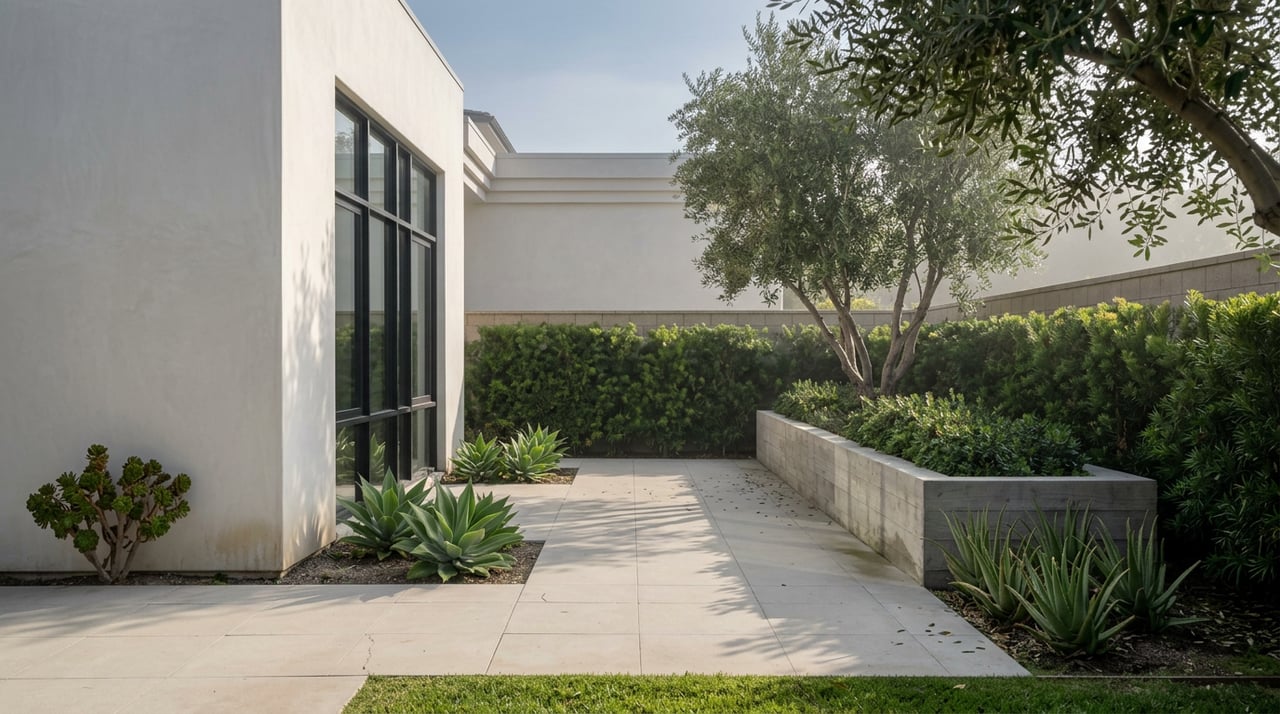
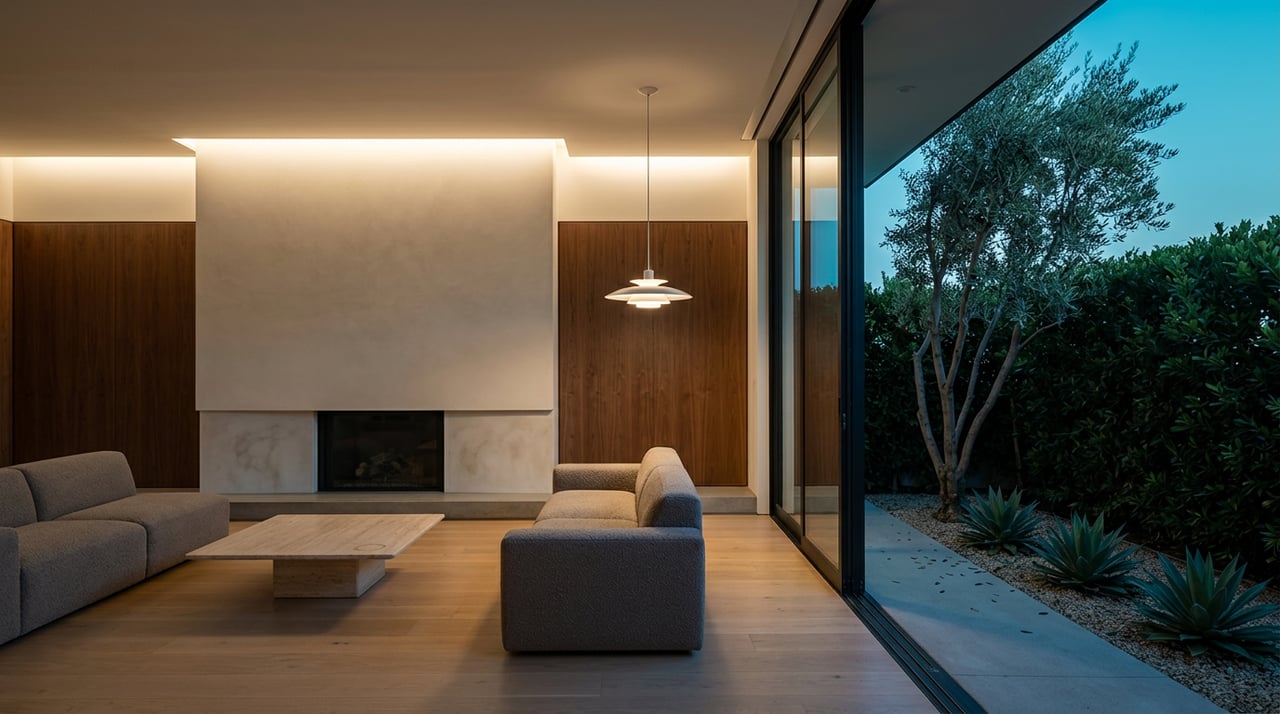
The contemporary approach often centers on volume, light, and seamless movement. Features like retractable openings, expansive glazing, and broad entertaining zones create a cleaner, more minimal expression than older estate styles. In Bel Air, this design language has become especially visible at the highest end of the market.
That said, contemporary does not always mean purely box-driven. Recent listing commentary suggests that buyers may respond strongly to homes that pair a more traditional or old-world exterior expression with updated interiors and amenities. In other words, the market may reward balance as much as novelty.
What Buyers and Sellers Should Watch
If you are evaluating architecture in Bel Air from a market perspective, style alone is not the whole story. Certain design traits tend to support broader appeal across eras.
1. Pedigree and authenticity
Original period character, notable architects, and meaningful provenance can enhance a home’s perceived value. This is especially true when the architecture feels coherent rather than heavily altered. Buyers in Bel Air often notice when a home respects its original design intent.
2. Lot and view orientation
Across classic and modern homes alike, the lot remains critical. SurveyLA notes that many Bel Air houses are oriented to take advantage of views, and that relationship between structure and site still matters. A strong view corridor, privacy, and a thoughtful hillside layout can be just as influential as the style itself.
3. Amenity depth
At the upper tier of the market, buyers often expect more than a main residence. Guest space, pool houses, spas, gyms, theaters, roof decks, and indoor-outdoor entertaining areas are now common benchmarks. For sellers, this means the overall property program can matter as much as the architecture.
4. Design balance
A house that blends timeless exterior character with modern livability may appeal to a wider buyer pool than one that feels too rigidly period-specific or too aggressively trend-driven. In Bel Air, that balance can take many forms. It might be a revival facade with updated interiors, or a mid-century home carefully reworked to preserve its spirit while improving function.
Why Bel Air Feels Cohesive Despite the Mix
Bel Air includes Mediterranean Revival villas, Tudor and Colonial Revival homes, ranch houses, Mid-Century Modern residences, and contemporary compounds. On paper, that sounds highly varied. In person, the neighborhood often still feels visually connected.
Part of that comes from its original planning logic. Large lots, established landscaping, and an enduring emphasis on architectural integrity create consistency even when the styles differ. The setting does a great deal of work, and the review culture around exterior changes helps preserve that sense of order.
For buyers, this means Bel Air offers architectural range without losing identity. For sellers, it means your home is often judged not only on its design, but on how well it fits the broader rhythm of the neighborhood.
Architecture Matters in Bel Air Resale
In Bel Air, architecture is never just cosmetic. It influences first impressions, emotional connection, lifestyle fit, and how a property is positioned in the market. A classic estate may attract buyers looking for heritage and formal beauty, while a contemporary compound may speak to those seeking privacy, scale, and turnkey amenities.
The strongest opportunities often come from understanding exactly what a property represents within Bel Air’s architectural spectrum. That is where local context matters. If you are preparing to buy or sell in Bel Air, a measured, design-aware strategy can make the difference between simply listing a home and presenting it with the depth and precision it deserves.
If you are considering a Bel Air purchase or sale and want discreet, senior-level guidance on architectural positioning, property value, and market strategy, contact Gary Glass Estates to request a private conversation.
FAQs
What architectural styles are common in Bel Air?
- Bel Air includes Mediterranean Revival, Spanish Colonial Revival, Tudor Revival, French Revival, American Colonial Revival, ranch, Mid-Century Modern, and contemporary homes, according to SurveyLA.
What makes a classic Bel Air estate distinctive?
- Classic Bel Air estates often feature stucco exteriors, red tile roofs, arches, balconies, loggias, formal entry sequences, gardens, terraces, and in some cases guest houses or pool houses.
Are modern homes common in Bel Air?
- Yes. Postwar and contemporary homes are an important part of Bel Air’s housing stock, including Mid-Century Modern houses and newer contemporary compounds with extensive glass and large amenity packages.
Why does architecture matter for Bel Air resale?
- Architecture can shape buyer interest by influencing pedigree, livability, view orientation, amenity appeal, and how well a property fits Bel Air’s broader architectural identity.
Does Bel Air have architectural review considerations for exterior work?
- Yes. The Bel-Air Association review process calls for materials such as site plans, elevations, landscaping plans, tree reports, and construction-impact plans for exterior work.